


Low-frequency pulsed electrical therapy method
Sep 13, 2022
Source: Cainiu Health

Dr. Yang Jun
Introduction
Low-frequency pulsed electrotherapy is a method of treating diseases using pulsed electric currents with a frequency below 1000 Hz. Its characteristics include low voltage, low frequency, negligible electrolysis, strong stimulation of sensory and motor nerves, pain reduction, and no generation of heat. The therapeutic effects of low-frequency pulsed electrotherapy can excite nerve and muscle tissues, promote local blood circulation, and provide analgesic effects.
Low-frequency pulsed electrical therapy is a relatively uncommon treatment method, and many patients do not fully understand it. What exactly is low-frequency pulsed electrical therapy?
What Is Low-Frequency Pulsed Electrical Therapy?
Low-frequency pulsed electrical therapy is a treatment method that uses pulsed electric currents with frequencies below 1000 Hz to manage medical conditions. Its characteristics include low voltage, low frequency, minimal electrolysis, strong stimulation of sensory and motor nerves, pain relief, and no generation of heat. This therapy can stimulate nerve and muscle tissues, promote local blood circulation, and provide analgesic effects.
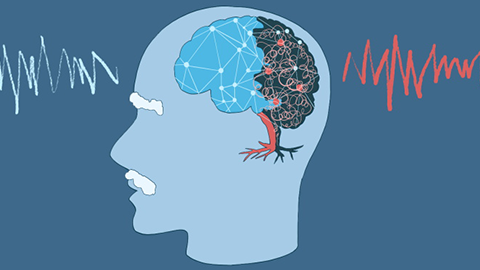
Based on these therapeutic effects, it is primarily used to treat patients with hemiplegia resulting from cerebrovascular disease or those suffering from lower back and leg pain. It can also be applied in treating gynecological conditions such as pelvic inflammatory disease. In neurology departments, it may help patients with sleep disorders improve their sleep quality. Contraindications for low-frequency pulsed electrical therapy devices typically include heart disease, cerebral hemorrhage, severe inflammation, and skin conditions like eczema. Generally, individuals with known hypersensitivity or allergic reactions to electric current should avoid this therapy.
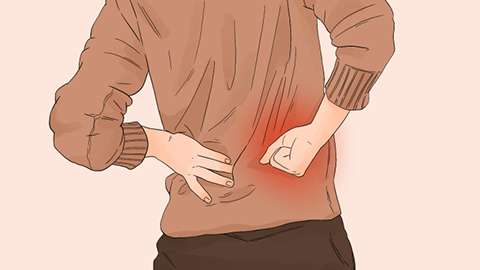
Therefore, before using a low-frequency pulsed electrical therapy device, it is essential to undergo a thorough physical examination to ensure safety during treatment. It is advisable to consult a physician at a reputable medical facility beforehand. This approach is relatively safer. During recovery, prioritize adequate rest, maintain a light diet, and consume fresh vegetables and fruits rich in vitamins to support healing. We hope this information has been helpful. Wishing you good health and happiness!



