What does it mean when nasal mucus contains blood?
Sep 13, 2022
Source: Cainiu Health

Dr. Jiang Weimin
Introduction
Causes of blood in nasal discharge: First, dryness or inflammation of the nasal mucosa may lead to recurrent infections, damaging the mucosa and capillaries, resulting in minor bleeding and blood-tinged nasal discharge. Second, nasal tumors such as hemangioma, inverted papilloma, inflammatory nasal polyps, lymphoma, etc. Third, nasopharyngeal tumors, whose common initial symptom is blood suction from the back of the nose.
Nasal mucus serves as a protective barrier for the body—it helps prevent nasal mucosal dryness and traps harmful substances inhaled through the nose. So, what causes blood-tinged nasal discharge?
What Causes Blood-Tinged Nasal Discharge?
Causes of blood-tinged nasal discharge include: 1. Dryness or inflammation of the nasal mucosa, leading to recurrent infections, damage to the mucosa and capillaries, and resulting in minor bleeding mixed with nasal mucus. 2. Nasal tumors, such as hemangiomas, inverted papillomas, infectious nasal polyps, or lymphoma. 3. Nasopharyngeal tumors—blood-tinged postnasal drip is often the first presenting symptom. 4. Trauma to the nasal mucosa from nose-picking, causing local injury and bleeding. 5. Hematologic disorders—typically associated with larger volumes of bleeding, difficulty achieving hemostasis, and recurrent episodes.
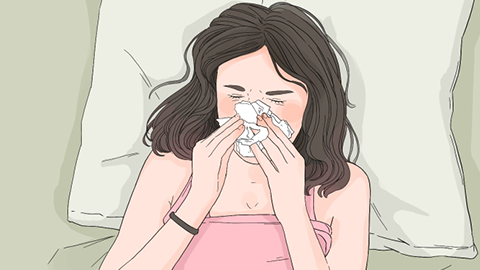
If experiencing epistaxis (nosebleeds), rinsing the nasal cavity with normal saline may help control blood-tinged mucus. Blood in nasal secretions is commonly due to nasal mucosal dryness—particularly in cold, dry climates (e.g., in East Asia), where mucosal injury and subsequent bleeding may occur. This condition usually resolves readily. Using menthol-based nasal drops may provide symptomatic relief. Avoid spicy foods during this time. Importantly, refrain from picking your nose, as this can exacerbate bleeding.

In daily life, maintain a light, easily digestible diet rich in fresh fruits and vegetables containing essential vitamins, and minimize consumption of snacks. Drink plenty of warm water to promote metabolism and facilitate toxin elimination. We hope this information is helpful. Wishing you good health and happiness!