


What is primary liver cancer? Is it serious?

In daily life, people often feel terrified when they hear the word "cancer." However, understanding cancer and facing this disease with a positive mindset can often lead to good treatment outcomes. How serious is PDD primary liver cancer?
How Serious Is PDD Primary Liver Cancer?
Regardless of the type, primary liver cancer should always be taken seriously and actively treated. A comprehensive assessment of the patient's general condition, liver function, presence of extrahepatic metastasis, vascular involvement, clinical infiltration, as well as the number and size of tumors, is essential for selecting an appropriate surgical or therapeutic strategy. Common treatment options include surgical resection and ablation, interventional therapy, liver transplantation, targeted drugs such as sorafenib, chemotherapy and radiotherapy, and symptomatic and supportive care.

Primary liver cancer refers to cancer that originates in the liver. It is a malignant tumor characterized by high incidence and high recurrence rates. Based on cellular origin, it can be classified into hepatocellular carcinoma, cholangiocarcinoma, and mixed types.
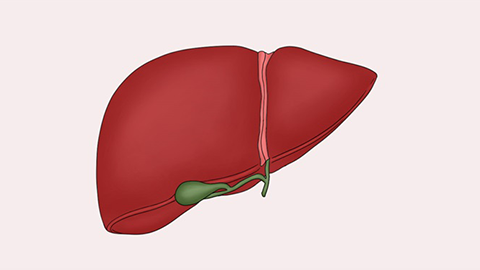
The clinical manifestations of primary liver cancer are significantly related to its stage. Specifically, early-stage liver cancer may present no obvious symptoms, or only mild symptoms such as fatigue, malaise, tiredness, and nausea. In intermediate or advanced stages, patients may experience pain in the liver area, usually described as dull or persistent aching pain, primarily caused by tumor compression of the liver capsule. Some patients may also exhibit other related symptoms. We hope this answer has been helpful to you. Wishing you good health and happiness!


