The hazards of hemorrhoids and rectal prolapse
Sep 13, 2022
Source: Cainiu Health

Dr. Cheng Yicheng
Introduction
Hazards of hemorrhoidal prolapse. First, it can cause varying degrees of fecal incontinence, with mucus frequently discharging from the anus. Second, the exuded mucus easily irritates the perianal skin, leading to anal itching and perianal eczema. Additionally, prolapsed hemorrhoids may result in anorectal dysfunction, anal induration, anal sinusitis, hyperplastic anal polyps, and recurrent episodes of hemorrhoids.
Hemorrhoids are a fairly common condition in daily life. However, when people suffer from hemorrhoids, they often experience symptoms of rectal prolapse as well. What are the dangers of hemorrhoids with rectal prolapse?
Dangers of Hemorrhoidal Prolapse
The complications of hemorrhoidal prolapse can be significant. First, it may lead to varying degrees of fecal incontinence, causing mucus to frequently leak from the anus. Second, this oozing mucus can easily irritate the skin around the anus, resulting in anal itching and perianal skin eczema. In addition, prolapsed hemorrhoids may cause anal dysfunction, anal induration, sinusitis of the anus, hyperplastic anal polyps, and recurrent episodes of hemorrhoids. If the prolapsed tissue cannot be retracted, inflammation and swelling may develop, causing pain, which further aggravates constipation and thereby exacerbates hemorrhoids, making them more difficult to treat.
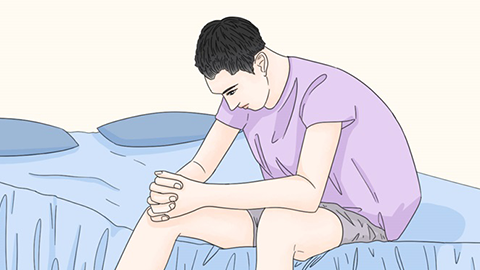
Hemorrhoids are the most common anorectal disease. They occur due to congestion or swelling of the venous plexus in the lower rectum or anal canal, leading to symptoms such as bleeding, pain, anal itching, and protrusion during bowel movements. Hemorrhoids can be classified into external, internal, and mixed types. The main symptoms of external hemorrhoids include anal discomfort, persistent moisture, uncleanliness, occasional itching, and visible external lumps.
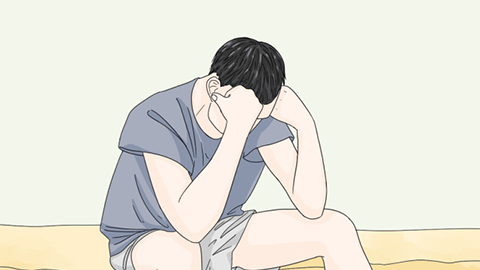
If accompanied by inflammation, perianal pain becomes more noticeable. Sometimes, blood can form a painful lump under the skin, known as a thrombosed hemorrhoid, which is prone to bleeding and extremely painful. External hemorrhoids tend to worsen during defecation due to the pressure exerted on them, requiring repeated handling of bowel movement strain. We hope this information is helpful to you. Wishing you good health and happiness!