Symptoms and Treatment of Rheumatic Fever in Children
Sep 13, 2022
Source: Cainiu Health

Dr. Xie Zixing
Introduction
General symptoms of rheumatic fever in children include elevated body temperature, cough, poor mental state, general weakness, reduced appetite, pallor, excessive sweating, nosebleeds, and sometimes stomach pain. Cardiac symptoms include rapid heart rate, chest pain in the precordial area, and severe heart failure. Rheumatic fever in children is often caused by infection. Recurrent episodes may lead to chronic valvular heart disease as a long-term complication.
General symptoms of rheumatic fever in children include elevated body temperature, coughing, poor mental state, general weakness, loss of appetite, pale complexion, excessive sweating, nosebleeds, and sometimes stomach pain. Cardiac symptoms include increased heart rate, chest pain in the precordial area, and severe heart failure.
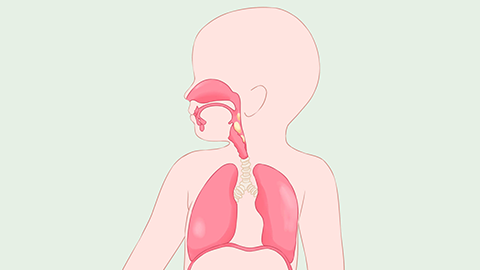
Symptoms and Treatment of Rheumatic Fever in Children
Rheumatic fever in children is mostly caused by infection. Repeated episodes may lead to chronic valvular heart disease as a long-term complication. During the acute phase, children with fever and joint swelling should remain on bed rest. Antibiotics and anti-rheumatic medications should be used under medical supervision. In cases of severe carditis, enlarged heart, or heart failure, adrenal corticosteroids, fast-acting diuretics, and other medications may be required.
Treatment for rheumatic fever in children includes both non-pharmacological and pharmacological approaches, as follows: 1. Non-pharmacological treatment: Adequate rest is essential during the acute phase, preferably complete bed rest. The duration of bed rest and level of physical activity should be determined according to the extent of cardiac involvement. Diet should be light yet nutritious. 2. Pharmacological treatment: Effective antibiotics are the first-line treatment. Since rheumatic fever in children is triggered by streptococcal infection, penicillin is the preferred choice. If the child is allergic to penicillin, alternative effective antibiotics such as cephalosporins or erythromycin can be used.
Additionally, medications or corticosteroid therapy may be used to improve the condition. Traditional Chinese medicine also offers unique advantages in treatment.
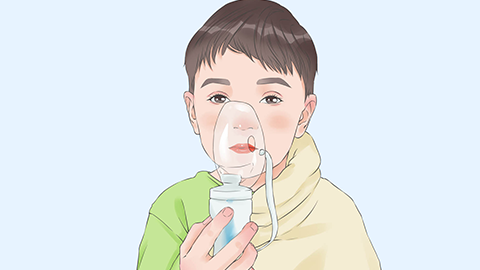
Children diagnosed with rheumatic fever are advised to seek hospital care and receive treatment under the guidance of a physician.