


What bacteria are included in intestinal pathogenic bacteria?
Sep 13, 2022
Source: Cainiu Health

Dr. Zhao Haiming
Introduction
Escherichia coli can synthesize vitamins B and K, and is non-pathogenic under normal colonization conditions; however, it may cause inflammation if it enters sites such as the gallbladder or bladder. Its detection in water and food indicates fecal contamination. The coliform count is often used as a hygienic standard for drinking water, food, or pharmaceuticals. It belongs to the family Enterobacteriaceae and is a Gram-negative intestinal bacillus.
Intestinal pathogens refer to bacterial species that can cause disease beyond the normal flora of the large intestine. So, what bacteria are considered intestinal pathogens?
What Bacteria Are Considered Intestinal Pathogens?
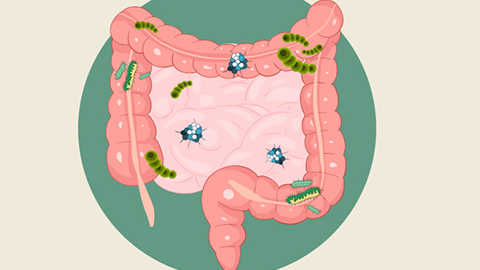
Common intestinal pathogens include Escherichia coli, Salmonella, Proteus, and Shigella. These are all bacteria that exist outside the normal colonic flora and can cause illness. When these pathogenic bacteria enter the human body and multiply extensively, they trigger a series of gastrointestinal reactions such as nausea, abdominal bloating and pain, and diarrhea. Severe cases may lead to electrolyte imbalances due to intense diarrhea, or even shock. Escherichia coli (E. coli) is one of the most well-known bacteria in the human and animal intestinal tract, primarily residing in the large intestine and accounting for about 1% of the gut microbiota. It is a Gram-negative, short rod-shaped bacterium with rounded ends, capable of movement but without spores. E. coli can synthesize vitamins B and K and normally does not cause disease under regular conditions; however, if it migrates to areas such as the gallbladder or bladder, it may cause infections. Its detection in water or food indicates fecal contamination. The count of coliform bacteria is often used as a hygienic standard for drinking water, food, or pharmaceuticals. It is also a causative agent of salmonellosis, belonging to the family Enterobacteriaceae—Gram-negative intestinal bacilli.

Nearly a thousand types (or strains) have been identified. Based on their antigenic components, they can be classified into basic groups such as A, B, C, D, and E. Among them, those primarily associated with human diseases include Paratyphi A bacillus from group A, Paratyphi B and Typhimurium bacilli from group B, Paratyphi C and Choleraesuis bacilli from group C, and Typhi and Enteritidis bacilli from group D. Except for Salmonella typhi, Paratyphi A, and Paratyphi B, which cause diseases in humans, most others mainly cause illnesses in livestock, rodents, and poultry. However, they can sometimes contaminate human food and lead to food poisoning.
Pay attention to food hygiene: avoid eating leftover meals, thoroughly clean seafood before consumption, reduce intake of street-side barbecued foods, and engage in regular exercise to strengthen your body. We hope this answer has been helpful to you. Wishing you good health and a happy life!








