


What are the symptoms of lung abscess?
Sep 13, 2022
Source: Cainiu Health

Dr. Guo Xiheng
Introduction
Lung abscess develops rapidly, often accompanied by high fever with body temperature reaching 39–40°C, as well as symptoms such as cough, sputum production, purulent sputum, general weakness, and muscle aches. As the disease progresses and the abscess ruptures, large amounts of pus enter the trachea and bronchi, resulting in daily expectoration of approximately 300 mL of sputum, which may be blood-tinged. Complete blood count typically shows a significant increase in neutrophils (up to 100%) and elevated white blood cell count.
Lung abscess is a purulent infection of lung tissue caused by various factors. In the early stage, purulent inflammation leads to tissue necrosis and abscess formation. It harms human health and must be taken seriously. What are the symptoms of lung abscess?
What Are the Symptoms of Lung Abscess?
Lung abscess usually develops rapidly, with high fever reaching 39–40°C, accompanied by cough, sputum production (often purulent), general weakness, muscle aches, and other systemic symptoms. As the disease progresses and the abscess ruptures into the bronchial tract, large amounts of pus are expectorated—approximately 300 mL per day. The sputum may contain blood. Blood tests typically show increased neutrophils and elevated white blood cell count. X-ray examination reveals extensive inflammatory shadows.
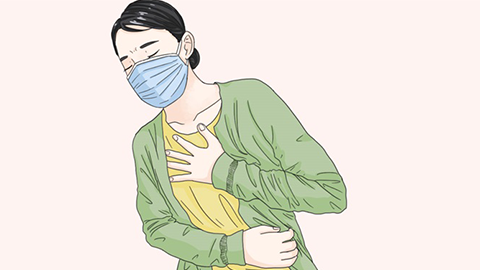
Lung abscess is an infectious disease directly related to pathogen infection. The main causative organisms are streptococci and anaerobic bacteria, which often enter through the mouth, nose, or pharynx. Secondary lung abscess can result from bacterial pneumonia, cavitary pulmonary tuberculosis, or bronchiectasis. Skin and soft tissue infections, liver abscesses, or tumors caused by Staphylococcus aureus and Klebsiella pneumoniae may also lead to lung abscess. Additionally, factors such as bronchial obstruction and low immunity can contribute to its development.

Patients should rest in bed and avoid excessive physical activity. Dietary adjustments are also important—patients are encouraged to eat fruits such as pears, oranges, and loquats. A light diet is recommended to prevent coughing; spicy and irritating foods should be avoided as they may worsen the condition. We hope this information is helpful. Wishing you good health and a happy life!



