Are herpes and smallpox the same thing?
Sep 13, 2022
Source: Cainiu Health

Dr. Liu Wan
Introduction
Herpes and smallpox are entirely different. Smallpox is a severe infectious disease caused by the variola virus and is the first infectious disease that humanity has eradicated worldwide. Herpes is divided into herpes simplex and herpes zoster. Herpes simplex is a skin condition caused by the herpes simplex virus. It is an acute viral skin infection characterized by clusters of small blisters distributed along a single peripheral nerve, accompanied by neuralgia.
Herpes and smallpox are two distinct diseases. Smallpox is a viral infection, whereas herpes refers to a skin manifestation caused by viral infection. Are herpes and smallpox the same?
Are Herpes and Smallpox the Same?
Herpes and smallpox are entirely different conditions. Smallpox is a severe infectious disease caused by the variola virus and remains the first human infectious disease ever eradicated worldwide. Herpes is categorized into two main types: herpes simplex and herpes zoster (shingles). Herpes simplex is a dermatological condition caused by the herpes simplex virus (HSV). It is an acute viral skin disorder characterized by clusters of small vesicles distributed along a single peripheral nerve, accompanied by neuralgia and regional lymphadenopathy. Thus, herpes and smallpox represent completely distinct pathological entities.
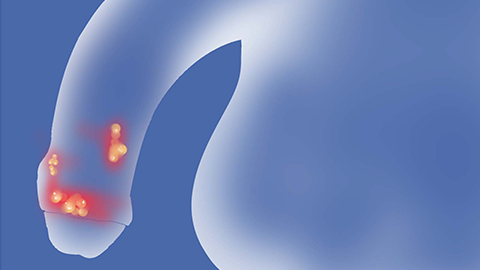
Herpes encompasses both herpes simplex and herpes zoster. Herpes simplex typically presents as localized edematous erythema with recurrent, painful clusters of vesicles. Herpes zoster manifests as a band-like cluster of small vesicles following a dermatomal distribution, usually associated with neuralgia. Herpes simplex is caused by infection with the herpes simplex virus.
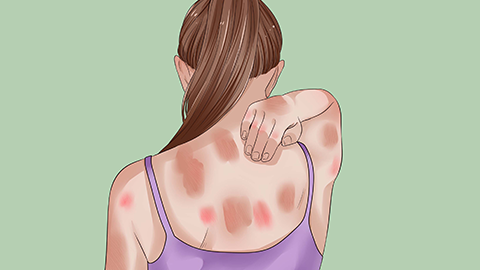
Smallpox is a severe infectious disease caused by the variola virus and has been effectively eradicated globally. Initial symptoms are often nonspecific and may include fever, sore throat, headache, fatigue, generalized malaise, and loss of appetite. A rash typically appears on days 3–4 of illness; within hours, the lesions evolve into papules, then progress to vesicles by day 6 and pustules by approximately day 8. The central depression in each pustule—known as umbilication—is characteristic. After rupture, the pustules heal and form scabs, often leaving permanent scars. We hope this information is helpful. Wishing you good health and happiness!