


Cough symptoms caused by pharyngitis
Sep 13, 2022
Source: Cainiu Health

Dr. Guo Xiheng
Introduction
Patients with pharyngitis may experience, in addition to coughing, symptoms such as sputum production, sore throat, and a sensation of a foreign body in the throat. Some patients may also have systemic symptoms like fever, difficulty swallowing, and breathing difficulties. Pharyngitis patients with heat-clearing and phlegm-resolving needs typically present with sore throat, productive cough with abundant yellowish, sticky sputum, dry mouth and throat, dark and scanty urine, and constipation. When pharyngitis occurs, various discomforts commonly arise in the throat area.
After an episode of pharyngitis, some people often develop coughing, even persistent coughing, which can be very uncomfortable. So, what are the symptoms of cough caused by pharyngitis?
Cough Symptoms Caused by Pharyngitis
In addition to coughing, patients with pharyngitis may also experience symptoms such as sputum production, sore throat, and a sensation of a foreign body in the throat. Some individuals may have systemic symptoms including fever, difficulty swallowing, and breathing difficulties. Patients with pharyngitis characterized by excessive heat and phlegm may present with sore throat, productive cough with abundant yellow, sticky sputum, dry mouth and throat, dark and scanty urine, and constipation. When pharyngitis occurs, various discomforts in the throat commonly appear, such as a foreign body sensation, burning, dryness, itching, irritation, mild pain, throat tightness, chest tightness, and breathing difficulties. Due to constant stimulation of the posterior pharyngeal wall by thick secretions, a morning irritative cough frequently develops, which may even trigger nausea in severe cases. The cough is often non-productive. Symptoms tend to worsen with voice overuse, cold exposure, or fatigue.
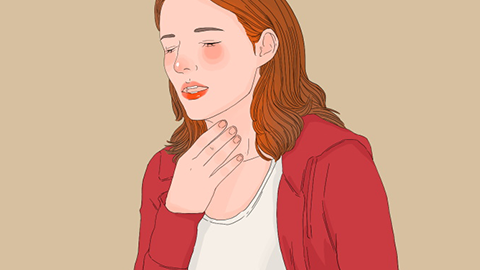
Pharyngitis is a common otolaryngological condition. It is recommended that patients seek medical attention promptly after developing pharyngitis. Blood tests and laryngoscopy should be performed under medical guidance to determine the exact severity and underlying cause, allowing for targeted treatment. Oral medications and nebulization therapy can be used as appropriate under medical supervision to alleviate symptoms.

During treatment, it's important to develop healthy lifestyle habits, get adequate rest, avoid overexertion, enhance nutrition in the diet, avoid spicy foods, and drink plenty of fluids. We hope this information helps you. Wishing you good health and happiness.



