


What type of "internal heat" causes a child's lips to become red?
Sep 13, 2022
Source: Cainiu Health

Dr. Xie Zixing
Introduction
When a child's lips are red, we often say it is a sign of "internal heat" (shang huo). First of all, a child's lips may turn red when they have a fever. More seriously—though less commonly—conditions such as acidosis and Kawasaki disease can also cause red lips. Allergic reactions, for example from eating mangoes, other illnesses like hemangioma, and changes in environmental or climatic conditions can also lead to redness of the lips.
Regarding red lips, if a child has no other abnormal symptoms and all other aspects are normal, it generally does not indicate a pathological condition and can simply be observed. But when a child has red lips, which part of the body is considered to be "overheated" ("on fire")?
When a Child's Lips Are Red, Which Part of the Body Is Considered "Overheated"?
When a child’s lips turn red, it is often regarded as a sign of internal heat or “overheating.” First, a child’s lips may become red during fever, which could indicate internal heat. More seriously—but less commonly—conditions such as acidosis, Kawasaki disease, and allergic reactions (for example, after eating mango) can also cause red lips. Other possible causes include hemangioma (vascular tumors) and changes in environmental or climatic conditions.
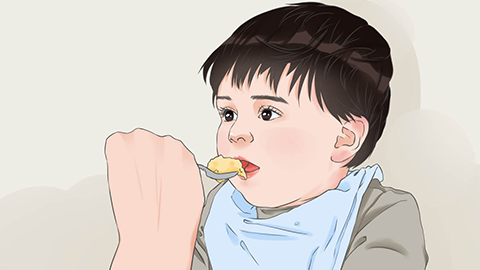
As for the question of which part of the body is "overheated" when a child has red lips, Western medicine typically does not approach this from the perspective of "internal heat." In fact, even traditional Chinese medicine lacks a clearly defined concept of "overheating." In most cases, red lips in children are a normal physiological phenomenon. Pale lips, on the other hand, might suggest underlying issues such as anemia. If a child’s lips are unusually or extremely red, however, one should check whether there are accompanying symptoms—first confirming whether the child has a fever, since lips often appear redder during febrile episodes.
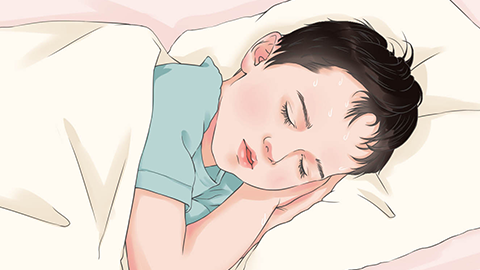
In daily life, ensure that children drink plenty of water and consume more vegetables and fruits rich in vitamins. Avoid spicy, greasy, and irritating foods. Especially at night, do not let them eat too much. We hope this article has been helpful to you. Wishing you good health and happiness!









