


What is the normal range for a child's blood pressure?
Sep 13, 2022
Source: Cainiu Health

Dr. Li Man
Introduction
The younger the age, the lower the blood pressure. In infants under 1 year old, systolic pressure may range from 70 to 90 mmHg, and diastolic pressure may range from 40 to 60 mmHg. For children aged 2–12 years, diastolic pressure is generally above 90/60 mmHg; in children aged 12–18 years, low blood pressure is also typically defined as 90/60 mmHg.
Nowadays, many children are experiencing high blood pressure, which can harm their health. So, what is the normal blood pressure range for children?
What Is the Normal Blood Pressure Range for Children?
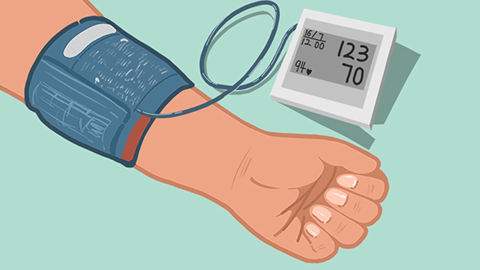
For school-age children, blood pressure should generally not exceed 120/80 mmHg. For children aged 12–18 years, blood pressure usually stays below 130/85 mmHg. For children under 2 years old, systolic blood pressure typically does not exceed 160 mmHg. The younger the child, the lower the blood pressure. For infants under 1 year of age, systolic pressure may range from 70 to 90 mmHg, and diastolic pressure from 40 to 60 mmHg. For children aged 2–12 years, blood pressure is generally above 90/60 mmHg, while a blood pressure below 90/60 mmHg is commonly considered low for those aged 12–18 years.

Children with high blood pressure should follow certain dietary principles: low fat, low salt, and low cholesterol intake. Eat more fruits and vegetables. Celery, rich in dietary fiber, helps prevent constipation and reduces blood cholesterol levels. Drink plenty of milk but avoid excessive coffee consumption. The diet should be low in animal fats, sugar, and sodium, yet high in protein and vitamins. Foods rich in vitamin C such as radish, bitter melon, bok choy, rape, spinach, tangerines, oranges, strawberries, and lemons are recommended, as they help lower serum cholesterol and lipid peroxidation levels, reducing the risk of cerebrovascular spasms.
Avoid spicy and irritating foods in daily life, drink plenty of water to promote metabolism. Engage in appropriate outdoor exercise to enhance immunity. We hope this answer is helpful to you. Wishing you good health and happiness!




