


What is the normal value of SD at 28 weeks of pregnancy?
Sep 13, 2022
Source: Cainiu Health

Dr. Chen Zhe
Introduction
The S/D ratio refers to the ratio of systolic to diastolic pressure in the fetal umbilical artery, which is closely related to fetal blood supply. Normally, as gestational age increases, the S value gradually decreases while the D value gradually increases. At 28 weeks of gestation, the S/D ratio should be within the normal range of 2.96±0.68. An elevated S/D ratio suggests reduced oxygen content in umbilical blood and indicates a risk of fetal intrauterine hypoxia, necessitating further evaluation.
Many pregnant women want to understand the development of their fetus and confirm whether the SD value is within the normal range. So, what is the normal SD value at 28 weeks of pregnancy?
What is the normal SD value at 28 weeks of pregnancy?
The SD value refers to the ratio of systolic to diastolic pressure in the fetal umbilical artery, which is closely related to fetal blood supply. Normally, as gestational age increases, the S (systolic) value gradually decreases while the D (diastolic) value gradually increases. At 28 weeks of pregnancy, the SD value should be 2.96 ± 0.68, which is considered normal. An elevated SD value suggests lower oxygen content in umbilical blood and may indicate a risk of intrauterine fetal hypoxia, requiring further evaluation.
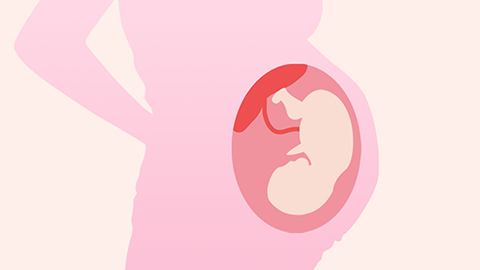
By week 28 of pregnancy, the fetus has largely developed and increased in size, with brain development entering a peak phase. At this stage, prenatal checkup frequency should be increased, and fetal movements should be monitored regularly—at least one checkup every two weeks. During this period, maintain vaginal hygiene to prevent vaginitis. Prepare essential items for the baby and supplies needed for delivery. Stay relaxed and avoid excessive fatigue. Maintain a balanced diet by consuming more fish, eggs, dairy products, and nuts, along with plenty of fresh vegetables and fruits to support the baby’s critical developmental stages.

During pregnancy, it is recommended to avoid spicy, heavily seasoned, or irritating foods, and instead consume more fresh fruits and vegetables. Maintain a regular work-rest schedule, avoid overexertion, stay calm, and attend routine prenatal checkups. We hope this information is helpful to you. Wishing you good health and happiness!





