


Normal weight range for a 36-week fetus
Sep 13, 2022
Source: Cainiu Health

Dr. Lv Aiming
Introduction
At 36 weeks of gestation, the standard fetal weight is 2700g and body length is approximately 45cm; at this stage, fetal kidney development is complete. Week 36 of pregnancy falls within the third trimester, during which pregnant women often feel increasingly fatigued and may experience pelvic discomfort. As the fetus presses down on the mother's pelvis, women frequently suffer from pelvic discomfort or tailbone pain. Sleep quality tends to deteriorate, making it difficult to fall asleep.
Some pregnant women have a particularly large belly at 36 weeks of pregnancy and worry that the baby may be overweight, which could affect delivery. So, what is the normal weight range for a fetus at 36 weeks?
Normal Fetal Weight at 36 Weeks
At 36 weeks of gestation, the standard fetal weight is about 2700g, with a body length of approximately 45cm. By this stage, the fetal kidneys are fully developed. Week 36 falls within the third trimester, during which pregnant women often feel increasingly fatigued and may experience pelvic discomfort. Because the fetus is pressing down on the mother's pelvis, she may frequently feel pelvic pressure or tailbone pain. Sleep quality tends to decline, making it difficult to fall asleep. As the abdomen grows larger and maternal weight gain accelerates, it becomes harder for the woman to turn over in bed, and her sleeping position should be adjusted accordingly.
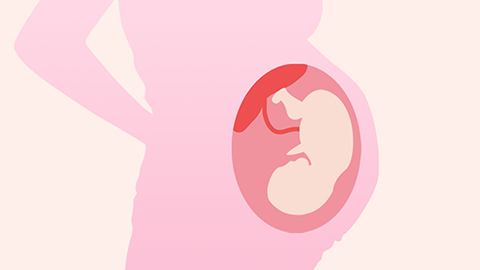
At 36 weeks of pregnancy, you are entering the late stages of gestation. It’s important to monitor fetal movements and attend a weekly color Doppler ultrasound examination. If fetal movements become abnormal—either too fast or too slow—you should go to the hospital promptly for fetal monitoring and a color Doppler scan. Avoid strenuous activities and abstain from sexual intercourse. Also, avoid eating spicy or irritating foods. Even in the final stages of pregnancy, maintain a balanced diet and avoid picky eating. Prepare for delivery by gathering your baby's clothes. If you experience signs of labor such as vaginal spotting (show), abdominal pain, or fluid leakage, go to the hospital immediately to deliver.

During pregnancy, it is recommended to avoid spicy, strong-flavored, or irritating foods, and instead eat more fresh fruits and vegetables. Maintain a regular routine of work and rest, avoid excessive fatigue, stay calm and focus on nurturing the pregnancy, and attend prenatal checkups on schedule. We hope this information is helpful to you. Wishing you good health and a happy life!




