


Normal range of amniotic fluid index at 38 weeks
Sep 13, 2022
Source: Cainiu Health

Dr. Chen Zhe
Introduction
An amniotic fluid depth greater than 6 cm is considered normal, while less than 6 cm may indicate oligohydramnios. At 36 weeks of gestation, the pregnancy is in the late second or early third trimester, which is typically when amniotic fluid volume reaches its peak, usually between 1000–1500 mL. As gestation progresses, fetal weight increases and fetal movement becomes more restricted, leading to a gradual decrease in amniotic fluid volume. At 38 weeks, the amniotic fluid volume is approximately 1000 mL. The volume of amniotic fluid is closely related to fetal growth and development.
Many first-time mothers want to understand their own and their baby's health status and therefore need to confirm whether the amniotic fluid index at 38 weeks is within the normal range. So, what is the normal amniotic fluid index at 38 weeks?
Normal Amniotic Fluid Index at 38 Weeks
At 38 weeks of pregnancy, the amniotic fluid index should be considered normal if it exceeds 6 cm; a value below 6 cm may indicate oligohydramnios (low amniotic fluid). Week 36 marks the mid-to-late stage of pregnancy, which is typically when amniotic fluid volume reaches its peak—usually between 1000 and 1500 ml. After this point, as the fetus gains weight and has less room to move, the amniotic fluid gradually decreases. At 38 weeks, the amniotic fluid volume is approximately 1000 ml. The amount of amniotic fluid during pregnancy is closely related to fetal growth and development.
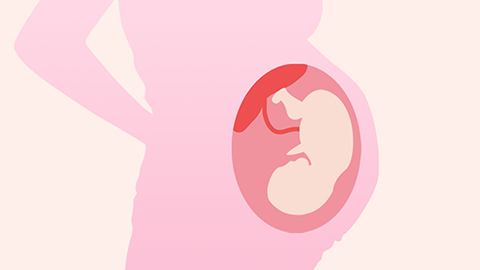
If abdominal pain occurs at 38 weeks and progressively worsens, labor may have begun, and the patient should go to the hospital. If vaginal spotting (bloody show) appears along with fluid leakage, the amniotic sac may have ruptured, which could be a sign of impending labor. Pay close attention to fetal movements. Count fetal movements for one quiet hour each in the morning and evening. Monitoring fetal movement helps determine whether the baby is experiencing oxygen deprivation in the uterus.

During pregnancy, it is recommended to avoid spicy, strongly flavored, or irritating foods, and instead consume more fresh fruits and vegetables. Maintain a regular routine of work and rest, avoid overexertion, stay relaxed, and attend prenatal checkups on schedule. We hope this information is helpful to you. Wishing you good health and happiness!



