


What causes nausea and the feeling of wanting to vomit after eating?
Sep 13, 2022
Source: Cainiu Health

Dr. Zhao Haiming
Introduction
Vomiting after meals may be caused by digestive system disorders or early pregnancy reactions during pregnancy. In the case of early pregnancy, hormonal changes can lead to symptoms such as nausea, vomiting, dizziness, and sleepiness. It is recommended to stay relaxed and avoid anxiety, eat small frequent meals, and undergo regular prenatal checkups. If pregnancy is ruled out, the condition is likely related to a digestive system disorder.
Nausea and vomiting, as common symptoms, reflect the presence of underlying health issues. However, most people usually do not pay special attention to nausea and vomiting unless they severely affect eating or daily life, although there are many possible causes for these symptoms. So, what causes nausea and vomiting after eating?
What Causes Nausea and Vomiting After Eating?
Vomiting after meals may be related to digestive system disorders or early pregnancy reactions during pregnancy. In early pregnancy, hormonal changes can lead to symptoms such as nausea, vomiting, dizziness, and fatigue. It is recommended to stay calm and avoid anxiety, eat small frequent meals, and attend regular prenatal check-ups. If pregnancy is ruled out, digestive system diseases should be considered. It is advisable to undergo relevant examinations such as abdominal ultrasound (liver, gallbladder, pancreas, spleen, kidneys) and gastroscopy to check for conditions like gastric ulcers or duodenal ulcers. After diagnosis, patients should follow medical advice and consume light, easily digestible foods during treatment.

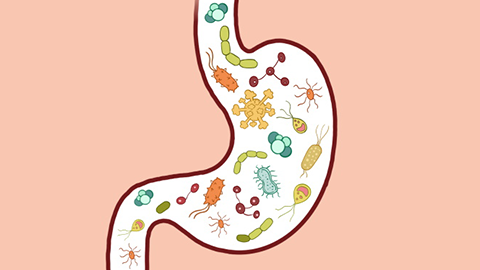
Nausea is a subjective sensation often preceding vomiting—the act of expelling stomach contents through the mouth. This feeling typically arises in the throat and upper abdomen. Conditions such as acute or chronic gastritis and gastric ulcers can cause vomiting, primarily because stomach contents are forced back through the esophagus and expelled orally. When irritants enter the stomach, the body uses vomiting as a protective mechanism to remove them. There are numerous causes of vomiting, but gastrointestinal disorders are generally the most common triggers of nausea.
Patients are advised to maintain healthy eating habits, avoid overeating, and refrain from consuming spicy or irritating foods. We hope this article has been helpful. Wishing you good health and a happy life.




