Early symptoms of anorexia nervosa
Sep 13, 2022
Source: Cainiu Health

Dr. Zhao Haiming
Introduction
Symptoms of anorexia nervosa may manifest as abnormal behaviors. Early typical symptoms include behavioral abnormalities, with main symptoms consisting of food refusal, picky eating, excessive exercise, diarrhea, nausea, and other physical changes. Some patients with severe anorexia nervosa may also experience extreme emaciation, sleep disturbances, weight loss, and other somatic abnormalities.
Anorexia nervosa poses serious health risks to the human body. If left untreated in its early stages, it may lead to various complications. What are the initial symptoms of anorexia?
Initial Symptoms of Anorexia Nervosa
Symptoms of anorexia may include abnormal behaviors. In the early stage, typical signs involve behavioral abnormalities, primarily表现为refusal to eat, picky eating, excessive exercise, diarrhea, nausea, and other physical changes. Some patients with severe anorexia may also experience extreme weight loss, sleep disturbances, and significant weight reduction. Once such abnormal symptoms appear, immediate medical attention is required for proper diagnosis and treatment to mitigate harm.
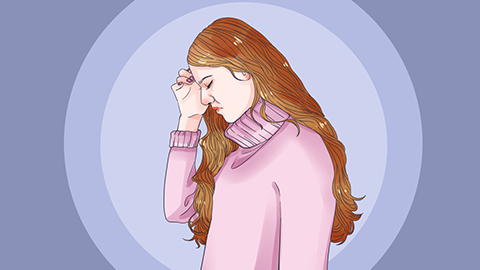
Anorexia may also cause psychological disturbances. As the condition progresses, many patients develop mental health symptoms such as mood instability, irritability, depression, and anxiety. Gastrointestinal symptoms are also common. Patients with more severe cases may suffer from abdominal pain, bloating, diarrhea, constipation, malnutrition, and swelling in the limbs due to fluid retention.
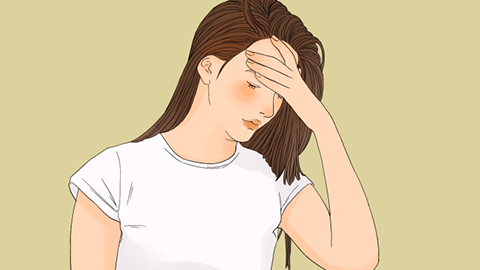
In addition, some individuals with anorexia may exhibit other abnormalities such as upper abdominal fullness, nausea, vomiting, persistent constipation, loss of underarm hair, uterine atrophy, and reduced gonadal function. If you notice any of these discomforts, seek medical help immediately. Undergo appropriate medical evaluations to identify the underlying cause and follow your doctor’s recommendations for treatment to resolve the condition and restore health. Moreover, after treatment, pay attention to dietary adjustments—opt for light yet nutritious meals, and consume plenty of leafy vegetables and fruits. We hope this article has been helpful to you. Wishing you a happy and healthy life!