


Tinnitus causing dizziness and vomiting

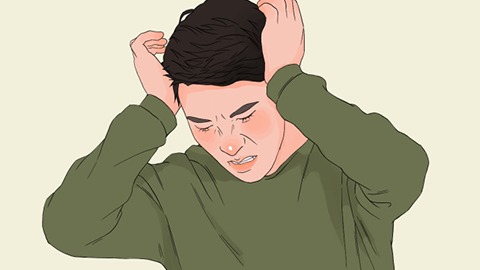
Sometimes, certain patients may experience dizziness and vomiting along with tinnitus. Can tinnitus cause dizziness and vomiting?
Tinnitus Causing Dizziness and Vomiting
In daily life, if someone experiences tinnitus, dizziness, and vomiting, dizziness should also be considered as a possible factor. Generally, these symptoms may result from the patient's anxiety or emotional stress, often occurring after excessive fatigue. To avoid delaying diagnosis and treatment, patients are advised to go to the hospital for cranial CT or MRI scans to rule out any intracranial abnormalities. If the issue is simply related to poor blood circulation, patients should actively use medications to improve cerebral circulation. Commonly used drugs include Alprostadil Injection, Xueshuantong Injection, and Vincristine Sulfate Injection.

There are many potential causes of tinnitus, dizziness, nausea, and vomiting. They may stem from ear disorders—for example, Ménière’s disease, sudden sensorineural hearing loss, or vestibular neuritis. Intracranial conditions such as meningioma or acoustic neuroma can also be responsible. Other causes include vestibular dysfunction in some patients, or labyrinthine complications due to chronic suppurative otitis media. Cerebrovascular diseases—such as cerebellar or central vestibular infarction or hemorrhage—can suddenly lead to dizziness, nausea, and vomiting.
In such cases, it is recommended that patients undergo evaluations at an otorhinolaryngology (ENT) clinic and a neurology department, including hearing tests, otoscopy, brain MRI, and temporal bone (middle ear and mastoid) CT scans. These auxiliary examinations, combined with the physician's clinical expertise, help determine the condition and establish an accurate diagnosis, enabling targeted treatment. We hope this article has been helpful to you. Wishing you a happy life and good health!


