


How is meniscus displacement treated?
Sep 13, 2022
Source: Cainiu Health

Dr. Lin Yunfei
Introduction
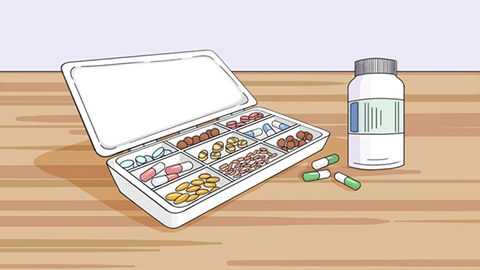
After meniscal displacement, the meniscus should first be repositioned and locally stabilized using knee braces. Subsequently, conservative treatment or surgical intervention may be performed. Conservative treatment is primarily intended for patients without obvious meniscal damage. Under a physician's guidance, non-steroidal medications such as aspirin and meloxicam, blood-activating and stasis-resolving agents like Dahuoluowan capsules, and rehabilitation therapies including cold compresses, heat therapy, and massage may be used.
Meniscus injury is a highly prevalent condition in daily life, commonly occurring in young males. When the meniscus is injured, symptoms such as severe knee pain, inability to fully straighten the knee spontaneously, and joint swelling may occur. So how is meniscal displacement treated?
How to Treat Meniscal Displacement
After meniscal displacement, the first step should be repositioning the meniscus, followed by local immobilization using knee supports, and then conservative or surgical treatment. Conservative treatment is primarily for patients without obvious meniscal damage. Under a doctor's guidance, non-steroidal medications such as aspirin and meloxicam, blood-activating and stasis-resolving medicines like Dahuoluowan capsules, and rehabilitation therapies including cold compresses, heat therapy, and massage may be used. Surgical treatment is suitable for patients with meniscal displacement, meniscal injury, tears, joint locking, or those who do not respond to conservative treatment. Patients may experience pain while walking, significantly affecting their daily lives. The extent of meniscal damage can be assessed through arthroscopic examination, and minimally invasive procedures such as arthroscopic repair and fixation, or open surgery may be performed.
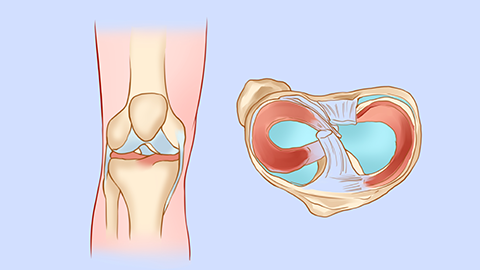
The knee meniscus is located within the knee joint cavity. There are medial and lateral menisci in the knee, both attached to the joint capsule and tibial plateau. Their primary functions are to maintain knee joint stability and protect articular cartilage, making the meniscus critically important to the human body. Once damaged, the knee meniscus can lead to symptoms such as knee pain, restricted movement, and joint locking. It may also cause secondary damage to articular cartilage, significantly accelerating joint degeneration.
Patients are advised to avoid strenuous physical activities in daily life and seek medical attention promptly if any discomfort occurs. We hope this information has been helpful. Wishing you good health and a happy life.





