


Clinical manifestations of trochanteric bursitis
Sep 13, 2022
Source: Cainiu Health

Dr. Lin Yunfei
Introduction
Trochanteric bursitis is a common clinical condition. The main clinical manifestation is pain on the outer side of the thigh. Some individuals experience severe pain, which may cause localized pain or radiate upward. The primary symptoms include tenderness upon pressure, pain when lying down, inability to walk much due to increased pain with walking. The greater trochanter is a prominent bony structure of the hip, covered by thin soft tissue on its surface.
Trochanteric bursitis is also a soft tissue overuse injury, which can cause obvious pain at the greater trochanter on the outer side of the hip joint, and may also present with significant swelling. Pain worsens during walking or physical activity, and in severe cases, normal flexion and extension movements may be impossible, significantly affecting daily life. So what are the clinical manifestations of greater trochanteric bursitis?
Clinical Manifestations of Greater Trochanteric Bursitis
Greater trochanteric bursitis is a common clinical condition. The main clinical manifestation is pain on the lateral side of the thigh. Some individuals experience severe pain that may radiate down the outer thigh or even upward. Typical symptoms include tenderness upon palpation, pain when lying on the affected side, inability to walk long distances, and increased pain with walking. The greater trochanter is a prominent bony structure of the hip, covered by thin soft tissues. On the surface of the bone lies a bursa, which is surrounded by subcutaneous fat and skin. Technically, this condition should be called greater trochanteric bursitis rather than synovitis. Synovium is an internal joint structure, whereas bursae are located outside joints. The structure on the surface of the greater trochanter is a bursa—a cushion formed between the bone surface and surrounding soft tissues. Its functions are to reduce friction on soft tissues and provide shock absorption. Excessive exercise or habitual side-lying sleep can often lead to bursitis and cause pain on the outer side of the greater trochanter. The primary symptom is pain, which intensifies during certain movements.
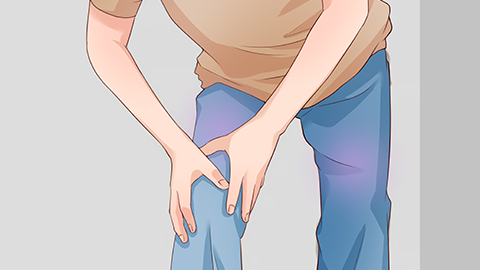
Surgical treatment for trochanteric bursitis is often the most effective option. Clinical manifestations of greater trochanteric bursitis include lateral hip pain, restricted hip joint movement, and local swelling. Occasionally, there may be increased local skin temperature. Especially when the hip is adducted and externally rotated, tension on the trochanteric bursa can trigger significant pain. Patients are advised to use medications such as ibuprofen sustained-release capsules or mannitol injection for treatment.
In daily life, it's important to get adequate rest and avoid excessive fatigue. We hope this information helps you. Wishing you good health and happiness.





