Can premature beats be life-threatening?
Sep 13, 2022
Source: Cainiu Health

Dr. Li Man
Introduction
Individuals without organic heart disease who have premature contractions and no other clinical symptoms generally do not require specific treatment and are at no significant risk to life. However, when symptoms are明显, or when premature beats occur frequently, this may indicate a worsening of underlying heart disease and could trigger arrhythmias or heart failure. If not actively treated, such complications can be dangerous and may reduce survival rates.
The heart is a vital organ in the human body, and many heart diseases can be life-threatening. So, can premature beats be fatal?
Can Premature Beats Be Fatal?
Individuals without organic heart disease who experience premature contractions and have no other clinical symptoms generally do not require special treatment and are at no significant risk to life. However, when symptoms are obvious and premature beats occur frequently, they may indicate an underlying worsening of heart disease, potentially triggering arrhythmias or heart failure. If not actively treated, such complications can be dangerous and may reduce survival rates. This is primarily due to heart failure causing orthopnea (breathlessness while lying flat), which significantly affects myocardial blood supply and may lead to pulmonary edema.

Causes of premature beats can be divided into functional and organic factors. Functional causes include coffee consumption, fatigue, staying up late, mental stress, anxiety, and depression—all of which can trigger functional premature beats. Organic causes relate to underlying cardiovascular problems, such as valvular stenosis, insufficient myocardial blood supply, or severe vascular narrowing, which may induce premature contractions. Electrolyte imbalances such as hyponatremia or hypokalemia can also contribute, as can certain medications—some drugs used to improve mood, treat depression, or relieve anxiety may adversely affect the cardiovascular system and provoke premature beats.
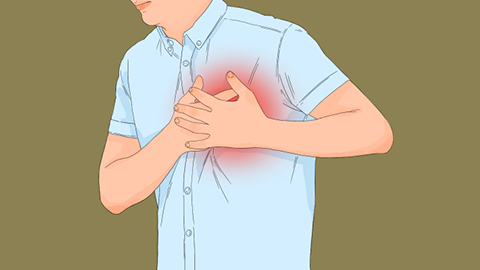
Patients with frequent episodes, obvious symptoms, or those with underlying organic heart disease should promptly identify the cause and triggers of their premature beats and receive appropriate treatment targeting these factors. It's also important to correctly recognize any potential life-threatening risks. In addition to treating the underlying cause, antiarrhythmic drug therapy may be considered for suitable patients. We hope this information is helpful. Wishing you good health and happiness!