Can you smoke if you have a wound?
Sep 30, 2022
Source: Cainiu Health

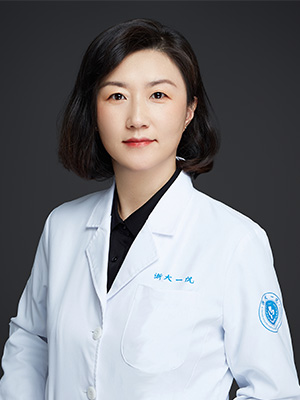
Dr. Pan Yongyuan
Introduction
In general, whether smoking is allowed with a wound depends on the severity of the wound and the amount of smoking. If the wound is superficial and the patient smokes only a small amount, it may not significantly affect wound healing; however, if the wound is severe or the patient smokes heavily, it may impair recovery. Smoking is inherently harmful to health, and patients are advised to quit smoking.
Generally, whether smoking is permissible with a wound depends on the severity of the wound and the amount of smoking. If the wound is superficial and the patient smokes only a small amount, it may not significantly affect wound healing. However, heavy smoking or more severe wounds may impair recovery. Smoking is inherently harmful to health, and patients are advised to quit.
Tobacco contains substances such as nicotine and tar. Nicotine can act on the blood vessel endings at the wound site, causing vasoconstriction, which reduces blood supply and delays wound healing, thus hindering recovery. If the wound is superficial and the patient smokes only minimally, there is usually little impact on healing.
However, if the wound is large and accompanied by local infection, or located in areas with poor circulation such as the extremities (hands and feet), and the patient frequently smokes heavily, this may lead to significant vasoconstriction at the wound site. As a result, the wound may become ischemic and hypoxic, which is unfavorable for timely recovery.
Smoking is detrimental to overall health and can damage organs such as the lungs, throat, esophagus, and stomach. Therefore, patients are strongly encouraged to quit smoking. Additionally, when a patient has a wound, they should promptly remove inflammatory secretions and keep the wound clean and dry. Spicy and irritating foods should be avoided; instead, consume more foods rich in vitamins and protein. If symptoms such as pus formation, redness, or swelling occur, seek medical attention promptly and receive targeted treatment under a doctor's guidance.