


Can't fall asleep with the fan on

Being unable to fall asleep with a fan on may be caused by noise stimulation, cold stimulation, discomfort from air movement, neurasthenia, or anxiety disorder. Improvements can be made according to the specific cause. It is recommended to seek timely medical attention and receive treatment under a doctor's guidance.
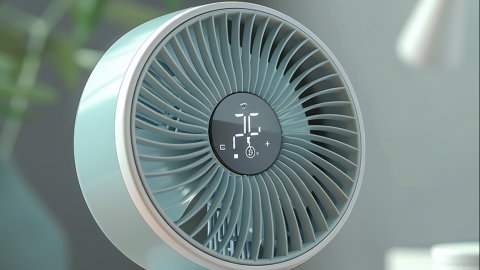
1. Noise Stimulation
Some fans produce significant noise, which may create an unsuitable sleeping environment and negatively stimulate the nervous system, affecting sleep quality and leading to difficulty falling asleep with a fan running. In such cases, turning off the fan or reducing the noise level can help improve sleep.
2. Cold Stimulation
The strong airflow from a fan may cause cold stimulation to the body, resulting in chilled skin and disrupted sleep, making it difficult to fall asleep with the fan on. Taking proper warming measures or turning off the fan can aid in falling asleep and improve sleep quality.
3. Discomfort from Air Movement
Although fans provide cool air, some individuals may be sensitive to direct airflow, experiencing skin discomfort or a feeling of coldness, thereby affecting sleep. It is advisable to adjust the fan's angle to avoid directing airflow straight at the body, or use the oscillating function to promote more even air circulation in the room.
4. Neurasthenia
Long-term mental stress, an overly busy lifestyle, or excessive worry may keep the nervous system in a constant state of tension, leading to neurasthenia and difficulty sleeping with a fan on. Patients may improve their condition by adjusting their lifestyle and, under medical supervision, taking medications such as zopiclone tablets, triazolam tablets, or midazolam injection.
5. Anxiety Disorder
High work intensity, low mood, and numerous distressing issues may lead to psychological conflicts and result in anxiety disorder, causing difficulty falling asleep with a fan on. Under medical guidance, patients may take medications such as alprazolam capsules, duloxetine hydrochloride enteric-coated capsules, or venlafaxine hydrochloride tablets for treatment.
In daily life, it is important to develop healthy habits, ensure sufficient sleep, avoid staying up late, and maintain a positive mood, avoiding negative emotions such as anxiety and irritability, all of which contribute to overall physical well-being.


