


The wound turned green after being wiped with povidone-iodine.

Green discoloration of a wound after wiping with povidone-iodine may be caused by expired povidone-iodine, staining from the solution, excessively high concentration, infection, or retained foreign bodies within the wound. This can be improved through medication replacement, careful observation, dilution of concentration, medical treatment, or debridement surgery. If discomfort occurs, prompt medical attention is recommended. Detailed analysis is as follows:
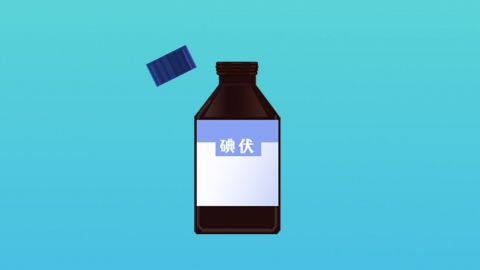
1. Expired Povidone-Iodine
If the povidone-iodine solution has been opened for too long and has expired, using it on wounds may cause green discoloration. Expired povidone-iodine typically loses its disinfectant and antibacterial properties and should be immediately replaced with another appropriate antiseptic agent.
2. Staining from Povidone-Iodine
Green discoloration may also result from normal staining caused by povidone-iodine. After skin disinfection with povidone-iodine, complexed iodine may temporarily adhere to the skin surface, causing transient color changes. These usually fade gradually over time and eventually disappear completely. This is generally considered a normal phenomenon and does not require excessive concern—careful observation is sufficient.
3. Excessively High Concentration of Povidone-Iodine
If the concentration of povidone-iodine used is too high, iodine accumulation on the wound surface after drying may lead to discoloration. During interaction with wound exudates or skin secretions, high-concentration povidone-iodine may undergo visible color changes. Always use povidone-iodine at the proper concentration as directed by the product instructions or healthcare professionals. Rinse the wound with normal saline to reduce iodine concentration when necessary.
4. Infection
Pseudomonas aeruginosa is a type of Gram-negative aerobic bacterium. When a wound becomes infected with this organism, patients often develop symptoms such as papules, blisters, varying degrees of swelling, erosion, and exudation at the affected site. The infected area may appear greenish, and systemic symptoms such as fever and chills may also occur. Under medical guidance, patients may take medications such as amoxicillin capsules, ceftazidime granules, or ciprofloxacin hydrochloride tablets to relieve symptoms.
5. Retained Foreign Body in the Wound
If foreign materials such as small plastic fragments or plant fibers remain in the wound, they may trigger an inflammatory response and chemically react with povidone-iodine, leading to color changes. It is advisable to carefully examine the wound for any retained foreign bodies; imaging techniques such as X-ray or ultrasound may be needed if necessary. If a foreign body is detected, surgical debridement should be performed under appropriate conditions to remove it, followed by standard wound disinfection and dressing procedures.
In daily life, protective measures are recommended to avoid friction, bumps, or impacts that could lead to injury. Additionally, all medications should be used strictly under the guidance of a physician—do not self-medicate without professional advice.


