Can't move with ringing in the ears, rapid heartbeat while sleeping—what's going on and what should I do?
Oct 27, 2022
Source: Cainiu Health

Dr. Zhu Gang
Introduction
Long-term stress may lead to emotional issues such as insomnia and anxiety, which in turn can trigger symptoms like tinnitus and tachycardia. These symptoms tend to worsen during sleep, and in severe cases, patients may even experience temporary paralysis. Patients should ensure adequate rest and avoid excessive fatigue and high stress levels. Prolonged exposure to noisy environments or age-related deterioration of inner ear hair cells may result in sudden onset of tinnitus.
Palpitations refer to tachycardia. Experiencing tinnitus and tachycardia during sleep, along with an inability to move, may be caused by high stress levels in life and work, sudden sensorineural hearing loss, hypoglycemia, hyperthyroidism, depression, and other conditions. Depending on the underlying cause, treatment options such as lifestyle adjustments or medications can be used to relieve symptoms. It is recommended to visit a hospital for accurate diagnosis and follow medical advice for appropriate treatment. The detailed analysis is as follows:
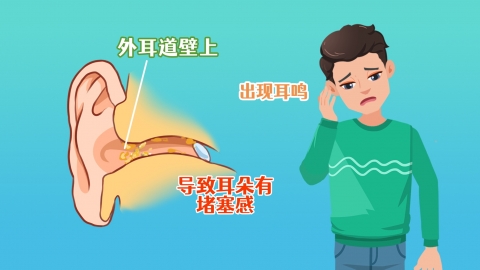
1. High stress from life and work: Prolonged stress may lead to emotional issues such as insomnia and anxiety, which in turn can trigger symptoms like tinnitus and tachycardia. These symptoms may become more severe during sleep, even leading to temporary paralysis. Patients should ensure adequate rest and avoid excessive fatigue and mental strain.
2. Sudden sensorineural hearing loss: Long-term exposure to noisy environments or age-related damage to inner ear hair cells may result in sudden tinnitus. This condition can disrupt sleep and provoke anxiety or depression, potentially causing tachycardia. Patients may take neurotrophic medications under medical guidance, such as mecobalamin tablets, vitamin B1 tablets, and oryzanol tablets.
3. Hypoglycemia: An unbalanced diet may lead to low blood sugar. When glucose levels drop, the sympathetic nervous system may be stimulated, resulting in sympathetic overactivity that causes tachycardia, tinnitus, and disrupted sleep. In severe cases, patients may feel physically immobilized. Timely treatment with medications such as zinc gluconate oral solution, acarbose tablets, or voglibose tablets should be followed as prescribed.
4. Hyperthyroidism: Hyperthyroidism is a condition caused by overactive thyroid glands producing excessive amounts of thyroid hormones. Elevated hormone levels can increase excitability of the nervous, cardiovascular, and digestive systems. During sleep, patients may experience tachycardia, tinnitus, and generalized weakness. It is advisable for patients to take medications such as lithium carbonate tablets, propylthiouracil tablets, or methimazole tablets under a doctor's supervision to manage the condition.
5. Depression: Depression is often associated with genetic, neurochemical, and environmental factors. It may lead to sleep disturbances, tinnitus, tachycardia, and even episodes of sleep paralysis, panic attacks, or insomnia. Patients should use antidepressants such as paroxetine hydrochloride tablets, sertraline hydrochloride capsules, or mianserin hydrochloride tablets under medical guidance to aid recovery.
Prior to bedtime, it is important to avoid consuming foods and beverages high in caffeine, such as chocolate and strong tea.