What are the health benefits of moringa seeds?
Aug 26, 2020
Source: Cainiu Health

Dr. Zhang Xiuhong
Introduction
Under normal circumstances, moringa seeds may help lower blood glucose and lipid levels, enhance immune function, exert antioxidant effects, and improve digestive system function. Moringa seeds are rich in vitamins, including vitamin C and vitamin A. Vitamin C, an antioxidant, can stimulate the production and activity of white blood cells, thereby helping to strengthen the body’s immune system and reduce the risk of disease.
Under normal circumstances, moringa seeds may offer several health benefits, including lowering blood glucose and lipid levels, enhancing immune function, exerting antioxidant effects, and improving digestive system function. A detailed analysis follows:
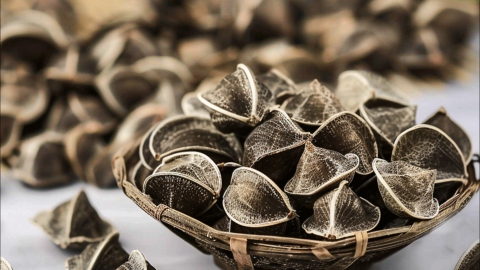
1. Blood Glucose Reduction
Moringa seeds contain bioactive compounds such as moringin and quercetin, which can stimulate insulin secretion. Insulin is a key hormone regulating blood glucose levels in the human body; it facilitates cellular uptake of glucose, thereby reducing circulating glucose concentrations. By enhancing cellular sensitivity to insulin, moringa seeds help the body utilize glucose more efficiently, thus supporting stable blood glucose control.
2. Lipid-Lowering Effects
Moringa seeds are rich in unsaturated fatty acids, such as oleic acid and linoleic acid. These unsaturated fatty acids help reduce serum cholesterol and triglyceride levels. Specifically, they bind with cholesterol and promote its metabolism, thereby decreasing cholesterol deposition on vascular walls.
3. Immune System Enhancement
Moringa seeds are abundant in vitamins—including vitamin C and vitamin A. Vitamin C acts as an antioxidant and stimulates the production and activity of white blood cells, thereby strengthening the body’s immune defenses and reducing disease susceptibility.
4. Antioxidant Activity
Moringa seeds contain multiple antioxidant compounds, including flavonoids and polyphenols. These antioxidants help delay skin aging and reduce common dermatological concerns such as wrinkles and hyperpigmentation. Additionally, they contribute to cardiovascular disease prevention.
5. Digestive System Support
Moringa seeds are high in dietary fiber, which promotes intestinal motility and helps prevent and alleviate constipation. Within the gastrointestinal tract, dietary fiber absorbs water, softening stool and facilitating its easy elimination.
If moringa seeds are to be used therapeutically, their use should be guided and monitored by a qualified healthcare professional. Concurrently, maintaining a light, balanced diet—rich in fresh vegetables and fruits—is recommended to further support overall health.