


The extracted wisdom tooth has grown back again.
Nov 23, 2022
Source: Cainiu Health

Dr. Liu Chao
Introduction
Generally, a new tooth will not grow in the location where a wisdom tooth has been extracted. The reappearance of a tooth at the extraction site may be caused by supernumerary teeth, alveolar bone remodeling, incomplete removal, gingival hyperplasia, or alveolar bone cysts, among other factors. Appropriate interventions can be taken depending on the specific cause. It is recommended to seek timely medical evaluation and treatment under the guidance of a healthcare professional.
Generally speaking, a new tooth will not grow back in the spot where a wisdom tooth has been extracted. However, the sensation that a removed wisdom tooth has regrown may be caused by conditions such as supernumerary teeth, alveolar bone remodeling, incomplete extraction, gingival hyperplasia, or alveolar bone cysts. These conditions can be addressed according to their specific causes. It is recommended to seek timely medical evaluation and treatment under the guidance of a doctor.
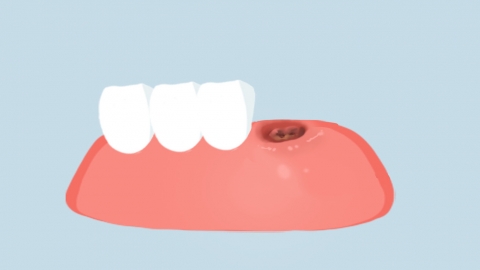
1. Supernumerary Teeth
Prior to wisdom tooth removal, an undetected supernumerary (extra) tooth may have been impacted within the alveolar bone. After the wisdom tooth is extracted, the extra tooth—previously compressed or blocked—may begin to emerge due to increased space, creating the illusion that the extracted wisdom tooth has regrown. Once diagnosed, supernumerary teeth typically require surgical removal.
2. Alveolar Bone Remodeling
After wisdom tooth extraction, the alveolar bone undergoes natural resorption and remodeling. During this process, changes in the shape and position of the bone may cause previously buried dental tissue or tooth buds to become partially exposed in the oral cavity, giving the false impression that the wisdom tooth has regrown. This condition usually does not require special treatment and may gradually resolve as the bone continues to remodel and stabilize.
3. Incomplete Extraction
Wisdom tooth roots may be curved or forked, and if not fully removed during extraction, residual root fragments can continue to develop, appearing as though the tooth has regrown. A second surgery is typically required to completely remove the remaining root. Postoperative care is important—maintain good oral hygiene and follow the dentist’s instructions to prevent infection.
4. Gingival Hyperplasia
Following wisdom tooth removal, chronic inflammation or systemic conditions such as gingival fibromatosis may cause excessive growth of gum tissue over the alveolar ridge, mimicking the appearance of a regrown tooth. If severe and affecting function or aesthetics, a gingivectomy—surgical removal of excess gum tissue—may be performed as directed by a physician.
5. Alveolar Bone Cyst
A cyst in the alveolar bone may cause localized swelling, making the area where the wisdom tooth was removed appear as if a tooth has re-emerged. This condition is often accompanied by symptoms such as pain, swelling, or loose teeth. Surgical removal of the cyst is typically necessary, followed by further treatment and monitoring based on pathological findings.
When extracting wisdom teeth, it is essential to ensure all tooth fragments are thoroughly cleaned out. No new wisdom tooth will grow after extraction. Therefore, if you decide to have your wisdom teeth removed, always go to a professional and reputable medical facility for the procedure.


