


What medication should be taken for trigeminal neuralgia?
Dec 29, 2022
Source: Cainiu Health

Dr. Zhang Lihui
Introduction
Clinically, the following medications may be used: neurotrophic agents such as vitamin B1, vitamin B12, flunarizine (Sibilon), methylcobalamin, etc.; neuropathic pain medications such as pregabalin (Lyrica), carbamazepine, etc.; vasodilators such as flunarizine (Sibilon), nimodipine, xuesaitong, etc. If these treatments are ineffective, surgical intervention should be considered. Patients with trigeminal neuralgia may also use gabapentin for pain relief.
The pain caused by trigeminal neuralgia is usually severe, so many patients use painkillers to relieve it. To alleviate this pain, numerous individuals turn to analgesic medications—so what medicines should be taken for trigeminal neuralgia?
What Medications Are Used for Trigeminal Neuralgia?
Trigeminal neuralgia is a condition more commonly seen in women, and it can affect people across a wide age range, typically from 25 to 85 years old. After onset, patients often experience sudden, shock-like or tearing pain in localized areas of the face.
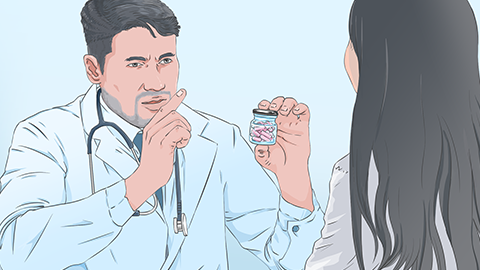
Clinically, the following medications may be prescribed: neurotrophic agents such as vitamin B1, vitamin B12, flunarizine (Sibelium), and mecobalamin; neuropathic pain medications like Lyrica (pregabalin) and carbamazepine; vasodilators including flunarizine, nimodipine, and xuesaitong. If these treatments prove ineffective, surgical intervention may be considered. Patients with trigeminal neuralgia can also use gabapentin for pain relief. This drug primarily functions as an analgesic, effectively and rapidly improving nerve pain, and it is also used in the treatment of epilepsy. However, timing of administration is important—gabapentin is best taken before bedtime. Patients should not discontinue the medication abruptly during treatment, as this could reduce its effectiveness.

The above-mentioned medications generally yield good results. However, patients should closely monitor their physical responses during treatment. If any adverse reactions occur, discontinue the medication immediately and seek medical attention promptly. In daily life, ensure adequate rest, reduce time spent using electronic devices, maintain a cheerful and relaxed mood, and attend regular follow-up appointments. We hope this information has been helpful. Wishing you good health and happiness.





