


How is dysfunctional uterine bleeding treated?
Dec 29, 2022
Source: Cainiu Health
Dr. Mei Quan
Introduction
Dysfunctional uterine bleeding usually occurs during adolescence or perimenopause and can lead to female infertility. Patients with dysfunctional uterine bleeding can be treated through three methods. If left untreated for a prolonged period, it may cause other complications and even affect the heart. Therefore, early treatment and disease control are essential. Treatment options include medications, surgical therapies, and other approaches.
This condition commonly occurs during puberty or menopause and can lead to female infertility. If left untreated for a long time, it may also cause other complications and even affect the heart. Therefore, early treatment and disease control are essential. So how is dysfunctional uterine bleeding treated?
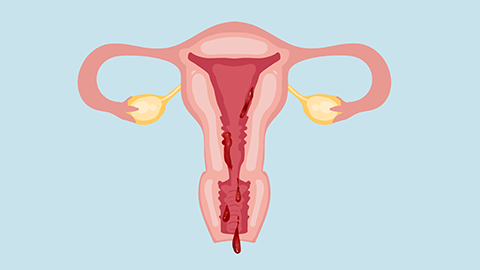
How to Treat Dysfunctional Uterine Bleeding
1. Medication: Since this condition is caused by hormonal imbalances in the body, drug therapy primarily involves using hormone medications to regulate the endocrine system. The specific type of hormone medication prescribed depends on the patient’s individual hormonal profile. Generally, if estrogen levels are high, testosterone supplementation may be needed; if androgen levels are high, progesterone or progestin should be supplemented.
After onset, patients may experience persistent bleeding, which significantly harms the body and easily leads to anemia and physical weakness. Therefore, appropriate use of hemostatic drugs is necessary to relieve symptoms, preferably in combination with hormone therapy.
Patients should also take blood-building medications as needed, or receive intravenous iron supplements when indicated, which can greatly alleviate discomfort caused by dysfunctional uterine bleeding.
2. Surgical treatment: Some patients develop severe organic diseases, so surgery is required for complete cure. Common surgical procedures include dilation and curettage (D&C), endometrial ablation, and total hysterectomy.
3. Other treatments: Additional approaches mainly involve supportive therapies—such as engaging in regular physical exercise to improve overall health—and managing anemia in conjunction with primary treatment.
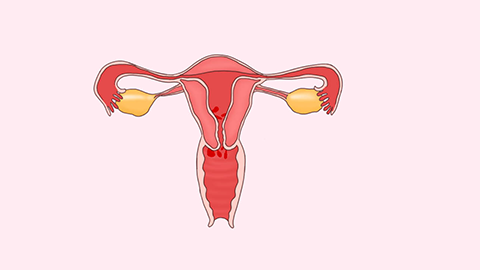
At this time, the body requires substantial nutrition. Patients should ensure adequate intake of protein, vitamins, and iron, which helps in the treatment of dysfunctional uterine bleeding.



