


What are the transmission routes of poliomyelitis?
Dec 29, 2022
Source: Cainiu Health

Dr. Jiang Weimin
Introduction
The initial infection source comes from patients with paralytic, non-paralytic, or asymptomatic infections. The transmission route is oral. After the virus enters the body through the mouth, it multiplies in the pharynx and tonsillar lymphoid tissues, then spreads to the corresponding regional lymph nodes where it further replicates and enters the bloodstream, causing the first viremia. The virus subsequently reaches systemic lymphoid tissues, multiplies again, re-enters the blood, and causes a second viremia.
In daily life, some people become infected with poliomyelitis but are unaware of how they contracted it. So, what are the transmission routes of poliomyelitis?
What Are the Transmission Routes of Poliomyelitis?
Firstly, the infection originates from patients with paralytic, non-paralytic, or asymptomatic forms of the disease. The virus spreads via the oral route. After entering the body through the mouth, the virus multiplies in the pharynx and intestinal wall lymphoid tissues, then spreads to regional draining lymph nodes where further replication occurs. It subsequently enters the bloodstream, causing the first viremia, which may result in either an overt or silent (asymptomatic) infection. After reaching systemic lymphoid tissues and continuing to replicate, the virus re-enters the blood, leading to a second viremic phase. During this stage, it can cross the blood-brain barrier and invade the anterior horn motor neurons of the spinal cord, resulting in clinical illness.

Secondly, individuals with poliomyelitis should avoid overexertion and staying up late. Their diet should be light and bland. They should avoid fried foods such as sesame balls, youtiao (fried dough sticks), fried pancakes, and fried pumpkin cakes. It is best not to consume these at all. They should also avoid high-sodium foods such as pickled vegetables, fermented tofu, bacon, and sausages. Fatty foods like fatty pork, pork belly, and pork intestines should also be avoided. Additionally, patients should not eat foods high in cholesterol, including animal organs and egg yolks. These should be minimized or avoided entirely.
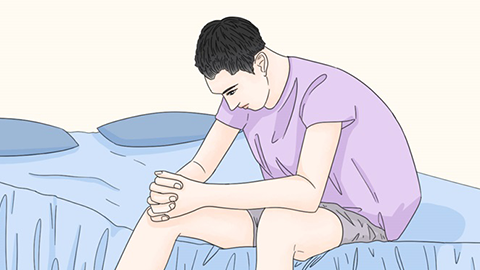
Furthermore, it is recommended that individuals seek prompt medical evaluation upon noticing symptoms and follow professional medical guidance for appropriate management. We hope this information has been helpful. Wishing you good health and happiness in life.






