


What are the remedial measures for contraceptive failure?
Dec 29, 2022
Source: Cainiu Health

Dr. Mei Quan
Introduction
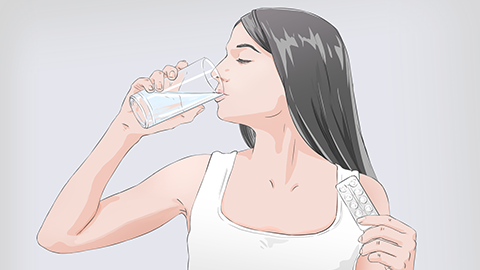
The most commonly used method for preventing pregnancy after contraceptive failure is taking oral emergency contraceptive pills, such as levonorgestrel. These can be taken within 72 hours after unprotected intercourse, such as when regular contraceptive methods like condoms are not used or when a condom breaks. However, this method does not guarantee complete prevention of pregnancy. The pill should be taken on an empty stomach, and food should be avoided for two hours after ingestion.
In daily life, we spend a relatively significant amount of time with our partners. So, what are the emergency measures available when contraception fails?
What Are the Emergency Measures for Contraceptive Failure?
The most common method after contraceptive failure is taking oral emergency contraceptive pills, such as levonorgestrel. These can be taken within 72 hours after unprotected intercourse—such as when no condom or other regular contraceptive method was used, or when a condom broke—to help prevent pregnancy. However, this method does not guarantee complete protection against pregnancy. It's important to take the pill on an empty stomach and avoid eating for two hours afterward to ensure proper absorption of the medication. Taking vitamin C alongside the emergency contraceptive may help reduce potential side effects. Another effective option for managing contraceptive failure is induced abortion, which can be performed under medical guidance using either medication or surgical procedures.

It should be noted that emergency contraceptive pills do not provide protection for any sexual activity occurring after the dose is taken. Additionally, some women may prefer not to take emergency hormonal contraceptives due to concerns about potential side effects such as suppressed ovulation. In such cases, intrauterine device (IUD) insertion within five days after contraceptive failure is another commonly used remedial option.
After intercourse, a woman may immediately squat down and rinse the genital tract with warm water. After rinsing, she should wait until all the water has drained before standing up. Alternatively, she may use water mixed with a cleansing solution, which can both suppress sperm motility and exert antibacterial effects. Repeating the rinsing process twice within five minutes after intercourse may also achieve effective contraception. However, it is crucial not to use soap, shower gel, or similar products, as their highly alkaline components can disrupt the natural pH balance of the vagina and impair the growth and reproduction of beneficial vaginal flora.
We hope this article has been helpful to you. Wishing you good health and a happy life!




