


Side effects of antidepressant medications
Dec 29, 2022
Source: Cainiu Health

Dr. Li Man
Introduction
Antidepressant medications are essential for the treatment of moderate to severe depression. Gastrointestinal reactions: patients may experience loss of appetite, nausea, and reluctance to eat during the initial phase of medication use (e.g., within the first 1–2 weeks), which are the most common side effects of antidepressants. Therefore, most antidepressants should be taken after meals; taking them on an empty stomach may exacerbate gastrointestinal adverse effects.
With the accelerating pace of life and increasing stress from work and daily living, the number of people suffering from depression is growing. While medication can help control the condition, it often comes with side effects. So, what are the side effects of antidepressant drugs?
Side Effects of Antidepressant Medications
Antidepressant medications are an essential treatment for moderate to severe depression. Gastrointestinal reactions: During the initial phase of medication, such as within the first 1–2 weeks, patients may experience reduced appetite, nausea, and loss of desire to eat—these are the most common side effects of antidepressants. Therefore, most antidepressants should be taken after meals. If gastrointestinal discomfort is significant when taking the medication on an empty stomach, adding vitamin B6 may effectively alleviate symptoms such as decreased appetite and nausea caused by antidepressants.
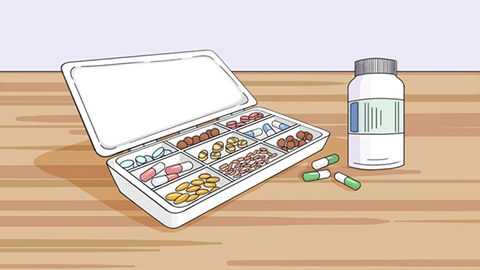
Drowsiness: Some patients may feel drowsy after taking certain antidepressants. These medications can be taken before bedtime, which helps reduce fatigue and sleepiness during the following day. Other adverse effects: Dry mouth and constipation may also occur. Patients experiencing these effects should drink more water and consume foods high in fiber to help relieve dry mouth and constipation. Additionally, some patients may experience blurred vision after taking the medication, a symptom that typically occurs during treatment. As the condition improves, these side effects gradually diminish and eventually disappear completely as the dosage is tapered off and medication is discontinued.
Depressed individuals should participate in more outdoor group activities, spend time in nature, and avoid isolation to prevent being overwhelmed by negative emotions. We hope this information has been helpful to you. Wishing you good health and happiness!



