How is chronic pyelonephritis treated?
Dec 29, 2022
Source: Cainiu Health

Dr. Jin Zhongkui
Introduction
The treatment of chronic pyelonephritis involves controlling symptoms, eliminating pathogens, removing predisposing factors, and preventing recurrence, in order to correct urinary tract infections, urinary abnormalities, and reflux. First, if a patient has significant urinary irritation symptoms along with fever or hematuria, rest is recommended. Additionally, alkaline medications such as sodium bicarbonate may be taken to alleviate urinary irritation.
Some people in daily life suffer from chronic pyelonephritis, so how is chronic pyelonephritis treated?
How to Treat Chronic Pyelonephritis
The treatment of chronic pyelonephritis aims to control symptoms, eliminate pathogens, remove triggering factors, and prevent recurrence, thereby correcting urinary tract infections, urinary abnormalities, and reflux. First, if a patient has obvious urinary irritation symptoms along with fever or hematuria, they should rest and only resume activities after symptoms subside. Additionally, alkaline medications such as sodium bicarbonate may be taken to reduce urinary irritation.
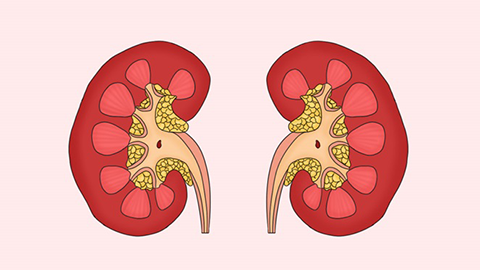
Furthermore, it's important to maintain adequate hydration in daily life—drink plenty of water and urinate frequently—to reduce bacteria in the urinary tract and accelerate the elimination of secretions. For patients experiencing frequent recurrent episodes, urine bacterial culture should be performed to identify the causative pathogen and determine whether the condition is due to reinfection or relapse. If the infection recurs about one month after stopping medication, it is confirmed as a bacterial relapse, which can be treated with antibiotics. Patients who have more than three episodes within one year should undergo long-term, low-dose antibacterial therapy, requiring prolonged treatment to control recurrence. Asymptomatic chronic pyelonephritis generally does not require treatment.
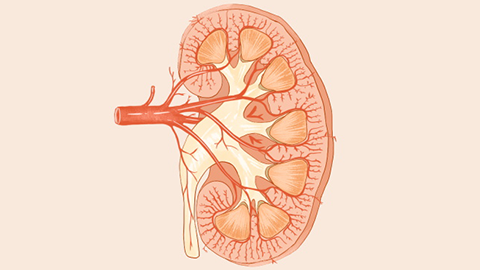
The above medications are for reference only. Specific drug use should be conducted under the guidance of a physician. We hope this answer helps you. Wishing you good health and happiness!