


Can hemifacial paralysis recover on its own?
Dec 29, 2022
Source: Cainiu Health

Dr. Huang Lingjuan
Introduction
If facial paralysis is not caused by trauma, it is called idiopathic facial nerve palsy, also known as facial neuritis. It usually results from a viral infection invading the facial nerve, causing edema within the facial nerve canal and leading to ipsilateral facial nerve paralysis. Hospitalization is required, along with treatments including dehydration, improved circulation, and neurotrophic therapy. Acupuncture is not recommended during the acute phase. Artificial tears and eye drops may be applied locally, and patients should strengthen functional exercises on the affected side.
Facial paralysis, a common condition in daily life, significantly affects people's quality of life. Sometimes, only one side of the face becomes paralyzed—can hemifacial paralysis recover on its own?
Can Hemifacial Paralysis Recover Spontaneously?
Sudden paralysis on one side of the face may have two underlying causes: peripheral and central. Specifically: 1) Peripheral facial paralysis is mainly seen in facial neuritis, where the facial nerve becomes infected by a virus, leading to facial nerve palsy. About 80% of such cases may spontaneously resolve within 1 to 3 months. 2) Central facial paralysis is often associated with acute cerebrovascular disease—approximately 80% due to cerebral thrombosis and 20% due to cerebral hemorrhage. A head CT scan can confirm the diagnosis. Facial paralysis caused by acute cerebrovascular events typically shows significant recovery within six months, although improvement slows after this period. Whether central or peripheral, active treatment helps maximize recovery. However, relying solely on spontaneous recovery may delay rehabilitation and increase the risk of residual complications.
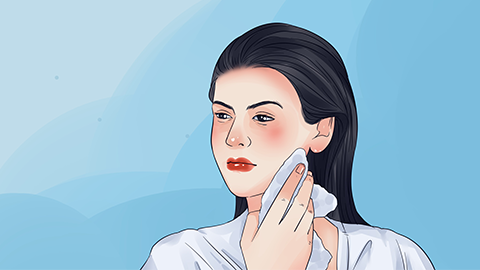
When facial paralysis is not caused by trauma, it is known as idiopathic facial nerve palsy, also called facial neuritis. Typically, a viral infection invades the facial nerve, causing edema within the facial nerve canal, resulting in ipsilateral facial nerve paralysis. Symptoms include inability to close the eye, loss of forehead wrinkles, drooping of the mouth corner, and air leakage when puffing the cheeks. Hospital treatment usually includes dehydration therapy, improved circulation, and neurotrophic support. Acupuncture is not recommended during the acute phase, but physical therapy may be applied locally. Eye care is essential to prevent fatigue; artificial tears or eye drops can be used locally, and functional exercises for the affected side should be strengthened.
If you notice symptoms of facial paralysis, seek medical attention promptly. We hope this information is helpful. Wishing you good health and a happy life!





