The best method for treating hand fungus
Dec 29, 2022
Source: Cainiu Health

Dr. Huang Lingjuan
Introduction
According to the description, tinea manuum (hand fungus) is a fungal infection, similar to athlete's foot. The main treatment is antifungal therapy. First, a clear diagnosis is needed, and additional tests can be performed to make a preliminary assessment by comparing the results. After confirmation of diagnosis, topical antifungal medications can be used, such as Daktarin (miconazole), sertaconazole, naftifine-ketoconazole, etc. If diagnosed, topical antifungal drugs such as naftifine-ketoconazole can be applied.
In daily life, we inevitably encounter various hand-related conditions, and hand fungus (commonly known as "hand athlete's foot") is a common hand disease that significantly affects people's lives. So, what is the best way to treat hand fungus?
Best Methods for Treating Hand Fungus
According to clinical descriptions, hand fungus (tinea manuum) is a fungal infection similar to athlete’s foot (tinea pedis). The primary treatment involves antifungal therapy. First, an accurate diagnosis is essential—supplementary tests can help make a preliminary assessment. Once confirmed, topical antifungal medications such as Daktarin (miconazole), sertaconazole, or naftifine-ketoconazole can be applied. Daktarin is widely used today; if you haven't used it before, it may be suitable. Medication should continue for one week after symptoms have completely disappeared. Avoid frequent contact with water and alkaline cleaning products such as laundry powder, detergent, or liquid soap. Regularly apply moisturizing lotion to keep the skin hydrated.
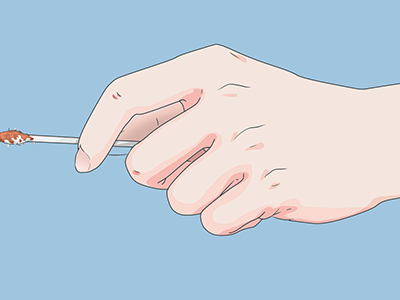
This condition mainly arises from fungal infection of the local stratum corneum. Clinically, it presents as keratotic, proliferative, and itchy skin lesions on fingers, palms, and other areas. Affected skin often feels rough to the touch, with granular overgrowth. For such cases, treatment typically involves a combination of oral and topical medications. Oral drugs like terbinafine tablets or sporanox (itraconazole) capsules may be prescribed, along with topical applications such as sertaconazole nitrate cream.
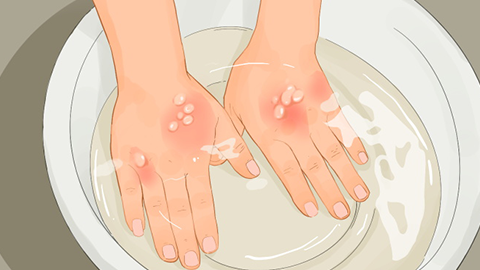
It's important to maintain good personal hygiene, avoid contact with contaminated items as much as possible, and prevent skin infections that could lead to conditions like hand fungus. We hope this information helps. Wishing you good health and a happy life!