


What causes pain on the top of the head?
Dec 29, 2022
Source: Cainiu Health

Dr. Guo Xiheng
Introduction
The main causes of vertex headaches are usually neurovascular headaches or migraines. These are generally related to psychological factors, such as exposure to severe mental stress or prolonged periods of intense mental work. Patients do not have any underlying organic lesions. It is recommended that such patients focus on adequate rest, adjust their mental state, and avoid excessive mental strain.
In daily life, there's a humorous term called "top-of-the-head pain." Some people indeed experience discomfort in the crown area that affects their everyday life. So, what causes pain in the top of the head?
What Causes Pain in the Top of the Head?
The majority of cases involving crown pain are due to neurovascular headaches or migraines. These are generally related to psychological factors—such as exposure to severe emotional stress or prolonged mental exertion—that trigger headaches. Patients typically do not have any underlying organic bodily lesions. It is recommended that such patients focus on getting adequate rest, adjusting their mental state, avoiding excessive mental strain and stress, and balancing work with relaxation to ensure sufficient sleep. For those with severe headaches, oral painkillers may be taken to relieve symptoms.
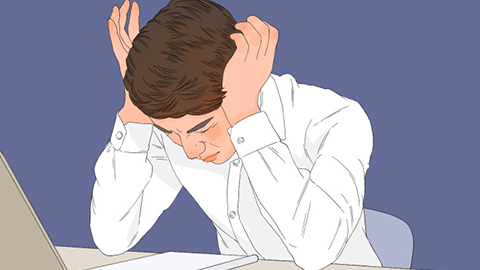
The crown refers to the upper central part of the head. Common causes of headache include: 1) Vascular abnormalities—such as blood vessel tension, vascular neuralgia, or migraines can all lead to headaches; 2) Trauma—head injuries may cause headaches; 3) Psychological factors—emotional tension or extreme mood fluctuations associated with insomnia, irritability, or tinnitus may trigger headaches; 4) Intracranial conditions—such as brain tumors, space-occupying lesions, blood pressure fluctuations, or abnormal lipid and glucose levels may lead to vascular spasms or hardening, resulting in headaches. Timely symptomatic treatment and identification of underlying causes are essential for helping patients recover quickly. Additionally, ensuring sufficient sleep allows cerebral blood vessels and nerves to fully rest and relax, promoting overall health and preventing headaches.
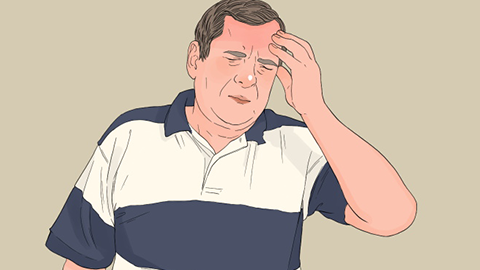
In daily life, if you experience persistent or severe headaches, please seek medical attention promptly for proper evaluation and treatment. We hope this information helps you. Wishing you good health and happiness!






