


What causes coughing and numb fingers?
Jan 11, 2023
Source: Cainiu Health

Dr. Guo Xiheng
Introduction
Coughing and numb fingers may be caused by poor posture, excessive use of fingers, environmental factors, cervical spondylosis, bronchitis, or other reasons. Appropriate management should be based on the specific condition. It is recommended to visit a hospital as soon as possible and follow medical advice for treatment. Maintain proper posture, avoid prolonged bending of the head or waist, regularly move your neck and shoulders, and perform stretching exercises to relieve muscle tension.
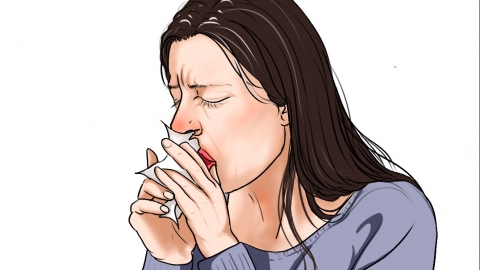
Coughing and numbness in the fingers may be caused by poor posture, overuse of the fingers, environmental factors, cervical spondylosis, bronchitis, or other reasons. Appropriate measures should be taken based on specific conditions. It is recommended to visit a hospital as soon as possible and follow medical advice for treatment.
1. Poor Posture
Maintaining poor posture for extended periods—such as looking down at a phone or slouching with bent back and shoulders—may lead to tension in the neck and shoulder muscles, compressing nerves and blood vessels. This can cause numbness in the fingers and may also irritate the trachea, resulting in coughing. To prevent this, maintain proper posture, avoid prolonged bending of the head or back, and regularly stretch and move the neck and shoulders to relieve muscle tension.
2. Overuse of Fingers
Repeated finger movements over long periods, such as typing or playing the piano, may lead to excessive finger fatigue and nerve compression, causing finger numbness. Additionally, general physical fatigue from overuse may trigger coughing. Rest your fingers appropriately and avoid prolonged repetitive motions. Finger massage and warm compresses can help improve blood circulation and reduce fatigue.
3. Environmental Factors
Inhaling irritants such as gases, dust, or allergens may irritate the respiratory tract and cause coughing. Similarly, exposure of the hands to cold, dampness, or irritating substances may impair blood circulation, leading to finger numbness. Avoid contact with irritants, keep indoor air fresh, and wear masks and gloves when necessary. Drinking warm water may help soothe respiratory irritation during coughing episodes.
4. Cervical Spondylosis
Conditions such as cervical bone spurs or herniated discs may compress nerves and blood vessels in the neck, causing finger numbness. They may also stimulate the sympathetic nerves, leading to coughing. Under medical guidance, medications such as ibuprofen sustained-release capsules, chlorzoxazone tablets, and vitamin B12 tablets may be used to relieve pain, reduce muscle tension, and improve nerve function.
5. Bronchitis
Inflammation of the bronchial mucosa caused by viral or bacterial infections, smoking, or other factors may result in coughing. Frequent coughing can increase chest pressure, affecting upper limb blood flow and potentially causing finger numbness. Patients may take azithromycin tablets, cefaclor tablets, or cefadroxil capsules as directed by a physician to alleviate symptoms.
In daily life, it is advisable to develop healthy habits, avoid excessive fatigue, and refrain from intense physical activity to prevent discomfort. Light exercises such as walking or jogging, tailored to individual capacity, are recommended to enhance immunity and support recovery.





