


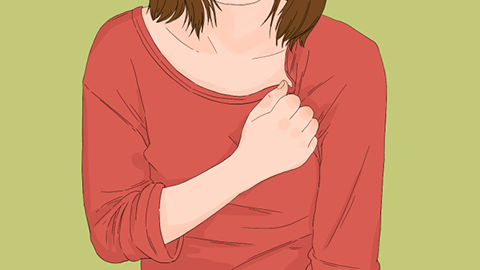
What causes a feeling of chest tightness or blockage sometimes?

Sometimes, a feeling of chest tightness or blockage may be caused by emotional factors, excessive fatigue, environmental factors, coronary atherosclerotic heart disease, bronchial asthma, and other conditions. Improvements can be made according to the specific cause. It is recommended to seek timely medical attention at a hospital and receive treatment under the guidance of a physician.
1. Emotional Factors
When a person experiences negative emotions such as anxiety, tension, or depression, the body releases certain hormones like adrenaline and cortisol. These hormones can increase heart rate and cause rapid breathing, leading to a sensation of chest tightness. Practicing deep breathing, meditation, yoga, listening to music, or talking with friends can help relieve emotional stress, relax the mind and body, and reduce symptoms of chest tightness.
2. Excessive Fatigue
Long-term overexertion without adequate rest increases the burden on the heart and raises myocardial oxygen consumption, which may result in chest tightness. It's important to manage work and daily activities wisely, avoid prolonged continuous work or intense physical activity, and ensure sufficient sleep to allow the body to fully recover.
3. Environmental Factors
In poorly ventilated, hot, or crowded environments, the body may become oxygen-deprived, causing chest tightness. Try to avoid staying in such environments for extended periods. Rest in places with fresh air and good ventilation. If necessary, use fans or air conditioning to improve temperature and airflow.
4. Coronary Atherosclerotic Heart Disease
Atherosclerosis narrows or blocks the coronary arteries, reducing blood supply to the heart muscle and causing chest tightness. This is often accompanied by symptoms such as chest pain and palpitations, typically triggered by physical exertion or emotional excitement. Under a doctor’s supervision, patients may take medications such as enteric-coated aspirin tablets, nitroglycerin tablets, or atorvastatin calcium tablets to alleviate symptoms.
5. Bronchial Asthma
Airway inflammation and hyperresponsiveness lead to bronchospasm and narrowing of the airways, impairing gas exchange and resulting in chest tightness, often accompanied by wheezing and coughing. It is recommended to take medications such as compound aminophylline tablets, diprophylline tablets, or doxofylline tablets under medical guidance.
In daily life, maintaining healthy sleep patterns and diet, managing emotions, and keeping a positive mindset are beneficial for overall health.


