Will the alveolar bone shrink after getting a dental crown?
Mar 25, 2023
Source: Cainiu Health

Dr. Liu Chao
Introduction
If the crown margin does not fit properly—for example, if it is too long, too thick, or poorly adapted—it can continuously irritate the gingival tissue. Prolonged irritation may lead to gingival inflammation, which can gradually spread to the alveolar bone, resulting in alveolar bone resorption. However, if the crown is designed and placed according to physiological requirements with a well-fitting margin, it will not cause adverse stimulation to the gingiva or alveolar bone.
Under normal circumstances, if the crown margin does not fit properly or the tooth is subjected to excessive biting force, the alveolar bone may shrink. However, if the crown restoration is successful and the occlusion is normal, the alveolar bone generally will not recede. If discomfort occurs, it is recommended to seek timely medical treatment at a hospital. The analysis is as follows:
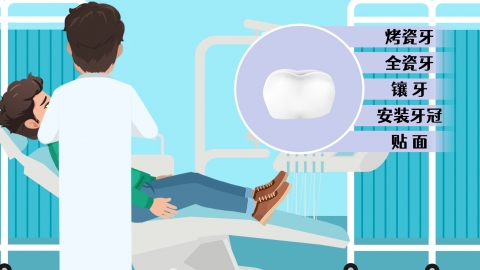
If the crown margin does not fit well—for example, if it is too long, too thick, or poorly adapted—it can continuously irritate the gingival tissue. Prolonged irritation may lead to gingivitis, and the inflammation can gradually spread to the alveolar bone, resulting in alveolar bone resorption. If after crown placement the occlusal relationship is not properly adjusted and the tooth bears excessive biting force, this excessive pressure is transmitted through the root to the alveolar bone. In such cases, patients are advised to promptly visit a hospital for adjustment of the crown position to prevent worsening symptoms.
If the crown design and placement meet physiological requirements—such as having well-fitting margins, normal contact with adjacent teeth, and precisely adjusted occlusion—the restored tooth can regain its normal shape and function without causing adverse stimulation to the gums or alveolar bone. At the same time, appropriate occlusal forces help maintain normal physiological remodeling of the alveolar bone, preventing bone loss or atrophy.
After receiving a dental crown, maintaining good oral hygiene is essential. Proper brushing and flossing can help prevent plaque and tartar buildup, reducing the risk of inflammation around the gums and alveolar bone.