


Many small papules have appeared on the inner side of the arm; what could be the cause and how should it be managed?

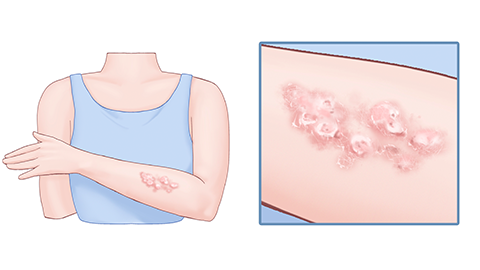
Many small papules have appeared on the inner side of the arm. Possible causes include miliaria (heat rash), allergic dermatitis, contact dermatitis, eczema, folliculitis, and others. Management may involve keeping the skin clean, using gentle skincare products, and applying medications. It is recommended to visit a hospital for accurate diagnosis and follow medical advice for treatment. The analysis is as follows:
1. Miliaria (Heat Rash)
Miliaria occurs when sweat ducts become blocked in hot and humid environments. In such conditions, increased sweating and poor evaporation can lead to obstruction of the sweat glands, resulting in the development of miliaria. Additionally, inadequate skin hygiene, wearing tight or non-breathable clothing, and individual physical differences may increase the risk. Miliaria typically presents as small papules or tiny blisters on the skin, accompanied by mild itching. Patients are advised to keep the skin clean and dry, bathe regularly, and avoid wearing tight or non-breathable clothes. In hot or humid environments, ensure adequate ventilation for the skin.
2. Allergic Dermatitis
Allergic dermatitis may be triggered by various factors, including genetic predisposition, environmental exposures, dietary elements, contact with allergens, and immune system abnormalities. When the body comes into contact with an allergen, the immune system mounts an abnormal response, causing skin inflammation and the formation of papules. Papules caused by allergic dermatitis are usually accompanied by intense itching, redness, swelling, and sometimes pain. Patients should maintain skin hydration and avoid excessive friction or washing with hot water. Use mild skincare products and avoid irritants.
3. Contact Dermatitis
Contact dermatitis is a type of skin inflammation caused by direct contact with irritating substances. When the skin touches these irritants, its protective barrier is compromised, leading to inflammation and papule formation. The papules of contact dermatitis are typically confined to the area of contact and may be associated with itching and pain. Under a doctor’s guidance, patients may use medications such as loratadine tablets, mupirocin ointment, or clobetasol propionate cream to aid recovery.
4. Eczema
Eczema may be related to genetic, immune, and environmental factors. The papules of eczema commonly appear as erythematous patches, papules, or vesicles, accompanied by symptoms such as itching and pain. Eczema can occur anywhere on the body, including the inner side of the arms. Prompt treatment under medical supervision with medications such as levocetirizine hydrochloride tablets, chlorpheniramine maleate tablets, or hydrocortisone butyrate cream is recommended.
5. Folliculitis
Folliculitis is an inflammation of the hair follicles and surrounding tissues, which can be caused by various factors including poor hygiene, bacterial infection, or fungal infection. When hair follicles are injured or infected, an inflammatory response occurs, leading to papules, pustules, and other symptoms around the follicles. Folliculitis-related papules are often painful and itchy and may progress into pustules or boils. Areas with dense hair growth, such as the inner arm, are more prone to folliculitis. Patients are advised to use medications such as fusidic acid sodium ointment, compound polymyxin B ointment, or tretinoin cream under a doctor's guidance to alleviate symptoms.
In daily life, avoid exposure to allergens such as pollen and dust mites; minimize skin irritation by avoiding excessive scratching or washing with hot water; and pay attention to diet by limiting spicy foods, seafood, and other potential triggers.


