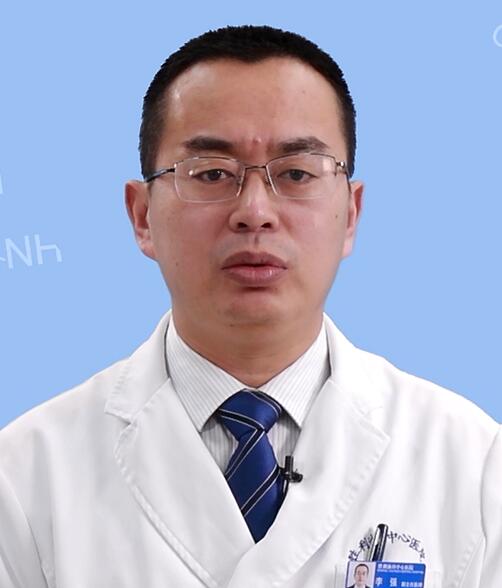
What causes cervical fluid accumulation, and is it serious?
Mar 26, 2023
Source: Cainiu Health

Dr. Zhao Xiaodong
Introduction
Cervical fluid accumulation may be caused by pelvic inflammatory disease, cervicitis, endometritis, cervical polyps, uterine fibroids, or other reasons. Once the underlying cause is identified, appropriate treatment should be provided. It is recommended to seek early diagnosis at a hospital and follow medical advice to choose suitable treatment measures, in order to prevent disease progression, increased treatment difficulty, and adverse effects on health.
Cervical fluid accumulation may be caused by conditions such as pelvic inflammatory disease, cervicitis, endometritis, cervical polyps, or uterine fibroids. Once the underlying cause is identified, appropriate treatment should be administered accordingly.
1. Pelvic Inflammatory Disease (PID)
Inflammatory exudates in the pelvic cavity can affect the cervix, causing swelling of cervical mucosal tissue cells and secretion of thick fluid, leading to cervical fluid accumulation. This may result in persistent abdominal pain and abnormal vaginal bleeding. It is recommended to follow medical advice and use antibiotic medications such as doxycycline hydrochloride tablets, minocycline hydrochloride capsules, or roxithromycin capsules to inhibit bacterial growth and promote recovery.
2. Cervicitis
Infection with pathogenic organisms causes inflammation and irritation of the cervix. Damage or adhesion of cervical tissues may lead to cervical canal occlusion, resulting in fluid accumulation within the cervix (cervical fluid accumulation) and symptoms such as abdominal discomfort and non-menstrual bleeding. Under a doctor's guidance, antibacterial drugs such as ceftriaxone sodium for injection, cefixime capsules, or cefazolin sodium for injection are commonly used to control infection and support recovery.
3. Endometritis
Changes in the structure of the endometrium lead to periodic shedding. If inflammation persists in the uterus over time, it may result in cervical fluid accumulation, accompanied by symptoms such as bloody discharge and abdominal pain. Severe cases may progress to concurrent myometritis. Active treatment with antibacterial agents under medical supervision is required. Commonly used medications include metronidazole tablets, penicillin V potassium tablets, and norfloxacin capsules, which help reduce bacterial synthesis, alleviate inflammation, and promote healing.
4. Cervical Polyps
Benign growths (polyps) on the cervix may cause cervical narrowing or blockage, preventing normal drainage of fluids and leading to abnormal vaginal discharge or bleeding. If no obvious clinical symptoms are present, observation may be sufficient. However, if symptoms occur, prompt surgical intervention is recommended, such as polypectomy or cervical conization, to remove the polyp.
5. Uterine Fibroids
As uterine fibroids grow, they continuously compress the endometrial wall, increasing fluid accumulation within the cervix. Patients may experience acute abdominal pain or vaginal protrusion of tissue. In severe cases, infertility or miscarriage may occur. Depending on fibroid size, surgical options—such as myomectomy or hysterectomy—may be considered under a doctor’s recommendation to improve symptoms.
It is advised to seek timely medical evaluation at a hospital and follow professional guidance in selecting appropriate treatment measures to prevent disease progression and protect overall health.