


What does "plaque formation in the bilateral lower limb arteries" mean?

Bilateral lower extremity arterial plaque formation refers to the development of blood clots or plaques within the arteries of the lower limbs, leading to impaired or blocked blood flow and resulting in symptoms of limb ischemia. It is recommended to seek medical attention promptly and receive treatment under a physician's guidance. Detailed analysis is as follows:
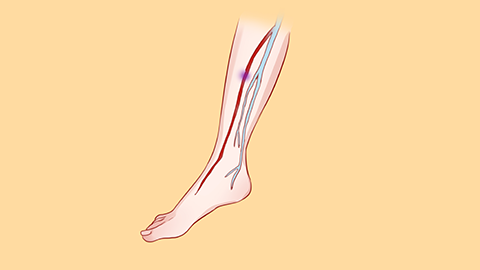
The causes of bilateral lower extremity arterial plaque formation include chronic conditions such as atherosclerosis, diabetes, and hypertension, as well as lifestyle factors like long-term smoking, high-fat diet, and lack of physical activity. When substances such as fat and cholesterol in the blood accumulate on the arterial walls, they gradually form plaques or clots that obstruct normal blood flow, leading to symptoms of lower limb ischemia, including leg pain, fatigue, abnormal sensations, and muscle atrophy. Treatment options for bilateral lower extremity arterial plaque formation include lifestyle modifications and surgical interventions. Patients can adopt healthier lifestyles by quitting smoking, controlling blood pressure, lipid levels, and blood glucose, and increasing physical activity. Surgical treatments include angioplasty, stent placement, and vascular bypass surgery, which help relieve arterial blockages and narrowing, thereby improving symptoms of lower limb ischemia.
In daily life, it is important to develop healthy habits and avoid prolonged sitting or standing. Additionally, maintain a light diet and avoid high-fat, high-calorie foods such as fatty meats and fried chicken to prevent worsening of the condition.


