Will seborrheic keratosis turn red after laser treatment?
Apr 19, 2023
Source: Cainiu Health

Dr. Liu Wenmin
Introduction
It is normal for seborrheic keratosis to become red after laser treatment, as this reaction is mainly caused by local irritation. Generally, the skin may feel red, swollen, warm, or itchy following laser therapy. Avoid scratching the treated area with your hands. Close observation is recommended. Additionally, consume more vegetables and fruits to supplement vitamins, maintain good hygiene, and prevent infection.
Redness may occur after laser treatment for seborrheic keratosis, which is a normal phenomenon.
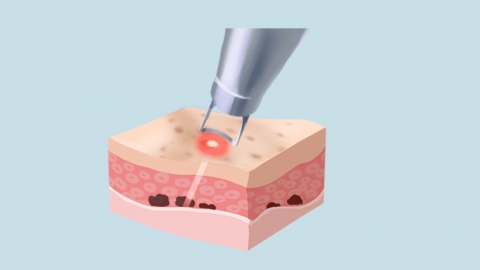
Seborrheic keratosis, commonly known as age spots or senile warts, is a common dermatological condition characterized by skin lesions appearing on sun-exposed areas, typically without symptoms such as itching. Flat, non-elevated age spots can be treated effectively with laser therapy, usually requiring one to two sessions for removal. Redness following laser treatment is mainly due to local irritation and is considered normal; patients may experience redness, swelling, warmth, or itching in the treated area. It's important to avoid scratching the treated site. Close observation is recommended, along with increased intake of fruits and vegetables rich in vitamins, maintaining good hygiene, and preventing infection.
Redness and swelling of the skin are common after laser treatment for seborrheic keratosis and generally not a cause for concern. The laser procedure may cause temporary trauma and irritation to the skin, and initial facial redness is typical, usually beginning to subside within about three days. Applying cold compresses can help alleviate symptoms. If redness persists despite cold compress application, patients should seek medical attention promptly to prevent worsening of the condition.
Avoid getting the treated area wet for approximately five days after laser treatment. An antiseptic solution can be applied topically for about seven days. Crusting typically sheds off within 7–10 days. Afterwards, proper moisturization and strict sun protection are essential to minimize the risk of post-inflammatory hyperpigmentation and recurrence.