What does “T-wave abnormality” mean?
Nov 02, 2020
Source: Cainiu Health

Dr. Tian Hongbo
Introduction
T-wave changes refer to abnormal alterations in the morphology, amplitude, and duration of the T wave on an electrocardiogram (ECG). The T wave is a critical component of the ECG waveform, representing the electrical activity associated with rapid ventricular repolarization. When T-wave changes are identified, if they result from physiological factors, no specific treatment is typically required; lifestyle modifications alone are usually sufficient.
T-wave abnormalities refer to abnormal changes in the morphology, amplitude, and duration of the T wave on an electrocardiogram (ECG). The T wave is a critical component of the ECG waveform, representing the electrical activity associated with rapid ventricular repolarization.
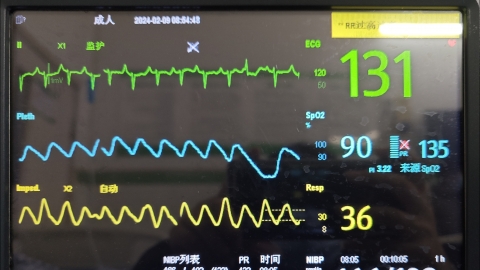
T-wave abnormalities may manifest in various forms, including flattened T waves, inverted T waves, or biphasic T waves. Causes of T-wave changes are diverse and may be either physiological or pathological. Physiological causes include excessive fatigue, mental stress, sleep deprivation, heavy alcohol consumption, or intense physical exercise—any of which may transiently alter the T wave. Pathological causes include cardiac conditions such as myocardial ischemia and myocarditis, both of which can disrupt normal ventricular repolarization and thereby produce T-wave abnormalities on the ECG.
When T-wave abnormalities are identified, those attributable to physiological factors typically require no specific treatment; instead, lifestyle modifications—such as ensuring adequate rest, avoiding excessive physical or mental strain, and maintaining emotional stability—are usually sufficient. In contrast, T-wave abnormalities resulting from underlying pathology warrant prompt, targeted treatment addressing the root cause.