


What are the top ten recommendations for facial fillers?
May 11, 2023
Source: Cainiu Health

Dr. Chen Lu
Introduction
There is no such thing as a "top ten recommendations for facial fillers." General recommendations for facial fillers include selecting appropriate filler materials, choosing qualified doctors and medical institutions, understanding the surgical risks, preparing adequately before the procedure, and paying attention to post-procedure care. Individuals seeking facial fillers should, whenever possible, visit正规 hospitals or licensed medical aesthetic institutions for treatment.
There is no such thing as a "Top Ten Suggestions for Facial Fillers." General recommendations for facial fillers include selecting appropriate filler materials, choosing qualified doctors and medical institutions, understanding surgical risks, preparing properly before the procedure, and paying attention to postoperative care. Individuals seeking facial filler treatments should preferably visit正规 hospitals or certified medical aesthetics institutions. Specific details are as follows:
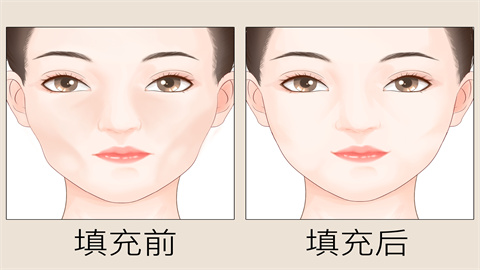
1. Select appropriate filler material: There are various types of facial filler materials, such as hyaluronic acid, autologous fat, and collagen, each with its own characteristics. When choosing a filler, consider your personal needs, budget, and your doctor’s recommendations.
2. Choose qualified doctors and institutions: Facial filling is a delicate medical aesthetic procedure requiring professional knowledge and extensive experience. Select medical facilities with legal operating credentials and those meeting standards for aesthetic medicine. Qualified doctors can accurately inject the filler into the correct tissue layers, avoiding injection into blood vessels that could lead to serious complications such as embolism.
3. Understand the risks: Although facial filler injections are common cosmetic procedures, they still carry certain risks. Common risks include infection, bleeding, swelling, and allergic reactions. Before undergoing treatment, have thorough discussions with your doctor to fully understand potential risks and complications.
4. Prepare adequately before the procedure: Keep your face clean and avoid wearing makeup prior to the procedure to reduce the risk of infection. Women should schedule the procedure outside of their menstrual period to minimize the risk of excessive bleeding. Additionally, undergo any necessary preoperative tests as instructed by your doctor, such as routine blood tests and coagulation function assessments, to ensure you are medically fit for the procedure.
5. Pay attention to postoperative care: After the procedure, get adequate rest and avoid strenuous physical activity to minimize pressure or trauma to the treated areas. Apply cold or warm compresses as directed by your doctor to help reduce swelling and discomfort. Maintain a healthy diet, avoiding spicy or irritating foods, and refrain from smoking and drinking alcohol during recovery.
In daily life, it is recommended to maintain facial cleanliness and hygiene. Avoid rubbing, squeezing, or bumping the treated areas to prevent interference with the healing process.




