


Pain occurs immediately after sealing the root canal, but feels better once opened—what's causing this and what should be done?

Root canal treatment is a common method for treating pulp diseases such as pulpitis and pulp necrosis. Pain that occurs after sealing the root canal but subsides once reopened may be related to factors such as medication, underfilling or poor sealing of the root canal, inflammatory exudation, inflammation caused by changes in the tooth environment, or residual bacterial infection within the root canal. Patients can manage these issues through medication adjustments, retreatment, improved hygiene, or drug therapy. The specific causes are analyzed below:
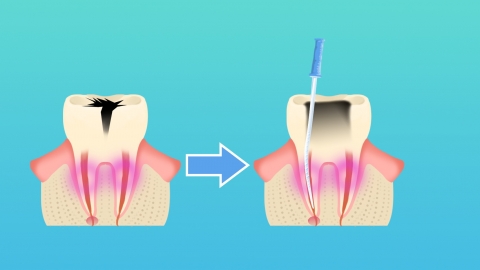
1. Medication factors: Pain may occur after medication placement during root canal treatment. For example, pulpal irritants used to devitalize nerves may cause discomfort or pain in some individuals. This could be due to edema in the pulp tissue that has not been adequately drained; sealing with a devitalizing agent without proper drainage can lead to increased pressure and pain. Additionally, root canal filling materials may irritate periapical tissues, causing pain. If the pain is caused by medication—such as excessive drug concentration or inappropriate choice of irrigant—the dosage can be reduced or switched to a less irritating, safer medication under medical guidance.
2. Inadequate or poorly sealed root canal filling: Underfilling or improper sealing of the root canal may allow bacteria to re-enter, leading to inflammation and pain. This may result from unfavorable root canal anatomy, which prevents effective tapered filling, allowing residual bacteria or infectious substances to remain inside. Poorly compacted fillings may also prevent thorough three-dimensional obturation of the main root canal, resulting in treatment failure and persistent pain. In such cases, patients should seek retreatment at a reputable medical facility to ensure complete removal of residual bacteria and proper, tight sealing of the root canal.
3. Inflammatory exudation: During root canal treatment, if infection within the canal is not fully controlled, bacteria and their metabolic byproducts may persist, leading to inflammatory exudation. This exudate may increase pressure in the periapical tissues, thereby triggering pain. Maintaining good oral hygiene during and after treatment is essential to prevent infection.
4. Inflammation due to changes in the tooth environment: After root canal treatment, the internal environment of the tooth may change. Cracks may develop in the tooth, or gingival tissues around the tooth may become inflamed, potentially causing symptoms such as pain and swelling. Pain can be relieved using cold or warm compresses: cold compresses help reduce swelling and relieve pain, while warm compresses promote blood circulation.
5. Residual bacterial infection within the root canal: Residual bacterial infection may arise from various factors, including incomplete treatment or reinfection. If bacteria remain in the root canal, they may proliferate and cause reinfection, resulting in pain. Under a doctor’s guidance, patients may take medications such as amoxicillin capsules, cefixime dispersible tablets, or cefradine dispersible tablets to aid recovery.
In daily life, it is recommended to strengthen oral hygiene practices to prevent bacteria from re-entering the root canal. Regular brushing and the use of dental floss and other oral care tools help maintain overall oral health.


