


When do baby molars fall out?

Primary molars are usually replaced between the ages of 6 and 8.
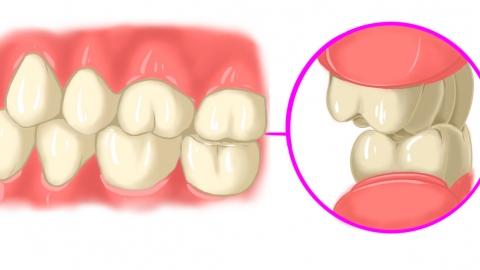
Primary molars are part of the deciduous dentition, typically beginning to erupt around 6 months after birth and generally complete by age 3. The shedding of primary molars usually starts around age 6, gradually making way for permanent teeth. The timing of primary molar exfoliation may vary slightly. Typically, the maxillary first primary molar begins to fall out between 6 and 7 years of age, the maxillary second primary molar between 7 and 8 years, the mandibular first primary molar between 6 and 7 years, and the mandibular second primary molar between 7 and 8 years. As primary molars begin to shed, their roots undergo resorption, causing the teeth to become loose. Before a primary molar fully falls out, the corresponding permanent tooth has already started developing in the jaw and is ready to take its place.
If a primary molar is lost prematurely or fails to fall out on time, it is advisable to consult a dentist. Without timely intervention, such issues may affect the proper growth and development of permanent teeth. In daily life, it's important to maintain healthy habits, ensure adequate sleep, avoid staying up late, and pay attention to oral and dental hygiene.


