What is pituitary gland enlargement?
May 17, 2023
Source: Cainiu Health
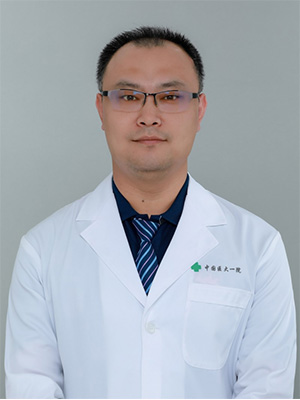
Dr. Guan Yanlei
Introduction
Enlargement of the pituitary gland may be caused by conditions such as pituitary inflammation, pituitary hyperplasia, or pituitary abscess. Specifically: Pituitary inflammation refers to an inflammatory reaction occurring within the pituitary gland. This inflammation may affect the function of pituitary cells, thereby disrupting the synthesis and secretion of pituitary hormones, ultimately leading to abnormalities in metabolism and physiological functions of the body.
In general, pituitary gland enlargement may be caused by conditions such as hypophysitis, pituitary hyperplasia, or pituitary colloid cysts. A detailed analysis is as follows:
1. Hypophysitis
Hypophysitis refers to an inflammatory reaction occurring within the pituitary gland. This inflammation may affect the function of pituitary cells, thereby disrupting the synthesis and secretion of pituitary hormones, ultimately leading to abnormalities in metabolism and physiological functions. Under a doctor's guidance, patients may be treated with immunosuppressive medications such as methotrexate tablets or cyclophosphamide tablets.
2. Pituitary Hyperplasia
Abnormal proliferation and division of pituitary cells may lead to imbalanced synthesis and secretion of pituitary hormones, consequently affecting the body's metabolism and physiological functions, resulting in localized pituitary enlargement. Patients may undergo microscopic surgery assisted by endoscopic transnasal transsphenoidal approach for resection.
3. Pituitary Colloid Cyst
Pituitary cysts arise from excessive proliferation and division of pituitary gland cells, causing enlargement of the gland. Treatment involves surgical removal of the cyst via a transnasal transsphenoidal approach.
Besides the above-mentioned conditions, other possible causes include hypothyroidism, pituitary adenoma, or pituitary tumors. If any physical discomfort or symptoms occur, it is recommended to consult a qualified physician as early as possible and follow medical advice for treatment and rehabilitation.