


What is the best treatment for lower extremity venous thrombosis?
May 23, 2023
Source: Cainiu Health
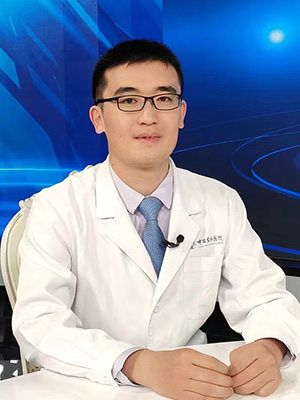
Dr. Zhang Jianbin
Introduction
Treatment for lower limb venous thrombosis generally includes physical therapy, medication, and surgical intervention. A detailed analysis is as follows: If a patient engages in prolonged strenuous physical activity, gravity may impede blood return in the lower limbs, causing blood to pool over time in the legs. This sustained accumulation increases pressure on the vessel walls and leads to abnormal dilation, potentially resulting in lower limb venous thrombosis.
Generally speaking, there is no single "best" treatment for lower extremity venous thrombosis. Treatment options typically include physical therapy, medication, and surgical intervention, with specific approaches detailed as follows:
1. Physical Therapy
If a patient engages in intense physical activity over a prolonged period, gravitational effects may impede blood return in the lower limbs, causing blood to pool and increasing vascular wall pressure, which can lead to abnormal vessel dilation and potentially result in lower extremity venous thrombosis. Symptoms often include visible web-like protrusions on the skin, possibly accompanied by swelling and pigmentation. Patients are advised to modify unhealthy lifestyle habits and may benefit from treatments such as foam sclerotherapy to promote contraction and closure of the dilated veins.
2. Medication
If left untreated for an extended period, lower extremity venous insufficiency may progress, reducing oxygen levels in the blood and leading to degenerative skin changes, diminished skin defense, venous reflux, and even skin ulceration. In such cases, medications like cefixime capsules or diosmin tablets may be recommended under medical supervision.
3. Surgical Treatment
For patients with severe symptoms—such as persistent heaviness or swelling in the legs—or when medication proves ineffective, surgical intervention at a hospital is recommended. Procedures may include radiofrequency ablation or vein stripping surgery.
During recovery, patients should maintain moderate physical activity, follow a light diet, keep regular作息 (sleep-wake cycles), and strictly adhere to prescribed medication regimens.







