


What does it mean if you haven't had a bowel movement for a whole week, and what should you do?

Generally, not having a bowel movement for a consecutive week may be caused by factors such as an improper diet, lack of physical activity, constipation, functional gastrointestinal disorders, or intestinal obstruction. Patients can manage the condition through dietary adjustments, exercise, and medication. It is recommended to visit a hospital to determine the underlying cause and follow medical advice for treatment. Specific analyses are as follows:
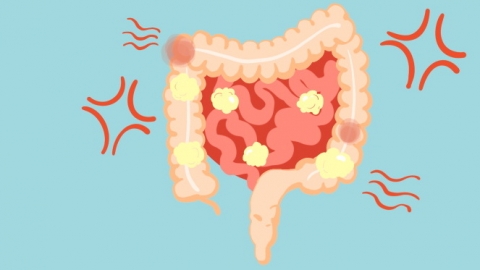
1. Improper Diet: A lack of dietary fiber and fluids in the diet, or excessive consumption of greasy, spicy, or irritating foods, may lead to constipation. Patients should adjust their diet by increasing intake of dietary fiber, such as vegetables, fruits, and whole grains.
2. Lack of Physical Activity: Prolonged sitting or insufficient physical activity can slow intestinal motility, leading to not defecating for up to a week. It is recommended to increase physical activity, such as engaging in at least 150 minutes per week of moderate-intensity aerobic exercise, including brisk walking or swimming.
3. Constipation: Constipation itself is a common symptom that may result from various factors, including abnormal bowel function or intestinal flora imbalance. Patients with constipation may also experience not having a bowel movement for a full week. Under a doctor's guidance, patients may use medications such as lactulose oral solution, senna granules, or compound芦荟 capsules to aid recovery.
4. Functional Gastrointestinal Disorders: These conditions are typically related to gastrointestinal dysfunction, such as slowed gastrointestinal motility or intestinal flora imbalance, which can lead to constipation, often accompanied by discomfort like bloating and abdominal pain. Patients should follow medical advice and take medications such as domperidone tablets, mosapride citrate tablets, or cisapride tablets as needed.
5. Intestinal Obstruction: Intestinal obstruction refers to a mechanical blockage in the intestine that prevents the normal passage of intestinal contents, resulting in not having a bowel movement for a week. Common symptoms include abdominal pain, vomiting, and constipation. If necessary, patients may require surgical treatments such as ileostomy or bowel resection as directed by a physician.
In daily life, it is important to avoid prolonged sitting and to regularly get up and move around to improve intestinal function.


