Got an infection after completing the lung function test
Jun 05, 2023
Source: Cainiu Health

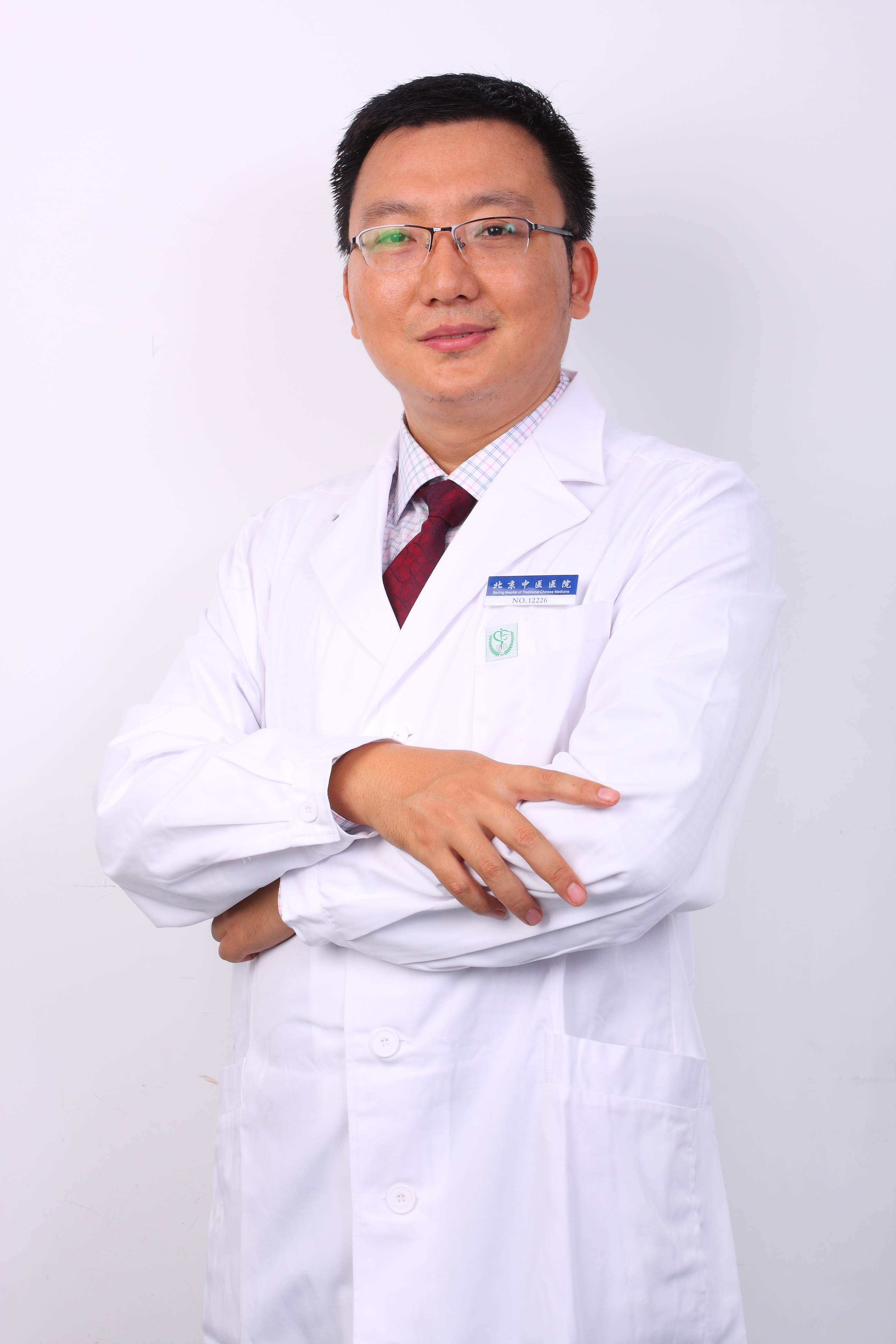
Dr. Guo Xiheng
Introduction
Pulmonary function tests are a common diagnostic method that helps doctors assess the functional status of the lungs. However, sometimes infections may occur after pulmonary function testing. In such cases, patients must ensure adequate rest, maintain a balanced diet, practice good personal hygiene, and follow their doctor's instructions for medication. If the condition is severe, patients should receive appropriate treatment in addition to these measures to prevent the infection from worsening.
Pulmonary function testing is a common diagnostic procedure that helps doctors assess the functional status of the lungs. However, sometimes infections may occur after the test. In such cases, patients must pay attention to rest, adjust their diet, maintain personal hygiene, and take medication as prescribed by their doctor. Specific recommendations are as follows:
1. Rest adequately
If an infection develops due to inadequate sterilization of the testing equipment, the body needs sufficient rest to recover. Patients should minimize physical activity, ensure adequate sleep, and avoid excessive fatigue.
2. Adjust diet
Diet is also important during infection. Patients should drink plenty of water to stay hydrated and consume light meals, avoiding spicy or irritating foods.
3. Maintain personal hygiene
Personal hygiene is crucial when infected. Patients should wash hands frequently to avoid exposure to pathogens, ensure good indoor ventilation, and prevent the spread of infection.
4. Take medication as prescribed
Under medical supervision, patients should take anti-infective medications on time and in the correct dosage, such as ribavirin granules or acyclovir tablets, avoiding missed or excessive doses. Additionally, patients should monitor for potential side effects of medications, such as allergic reactions.
In summary, if an infection occurs after pulmonary function testing, patients should seek timely medical care, prioritize rest and dietary adjustments, maintain personal hygiene, and strictly follow medical instructions for medication. If the condition is severe, appropriate treatment should be administered promptly to prevent worsening of the infection.